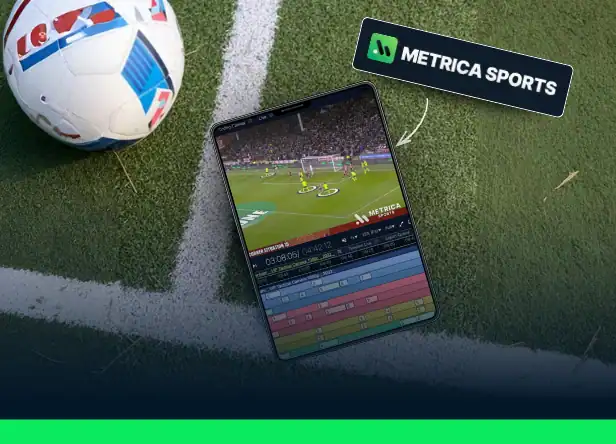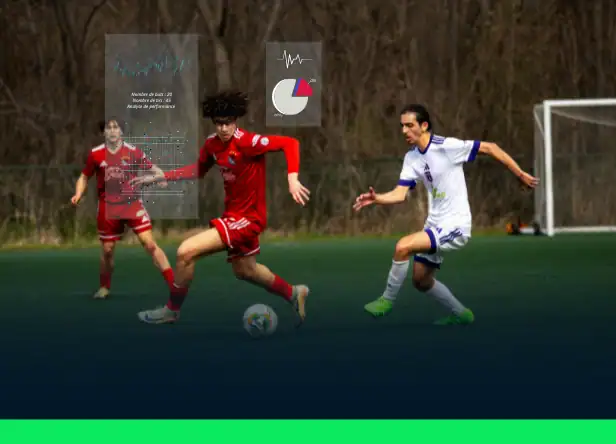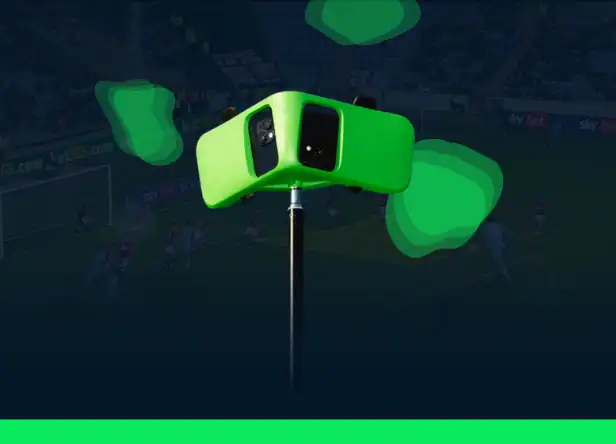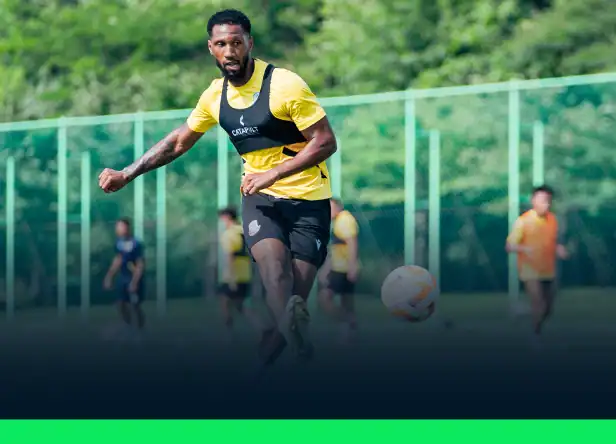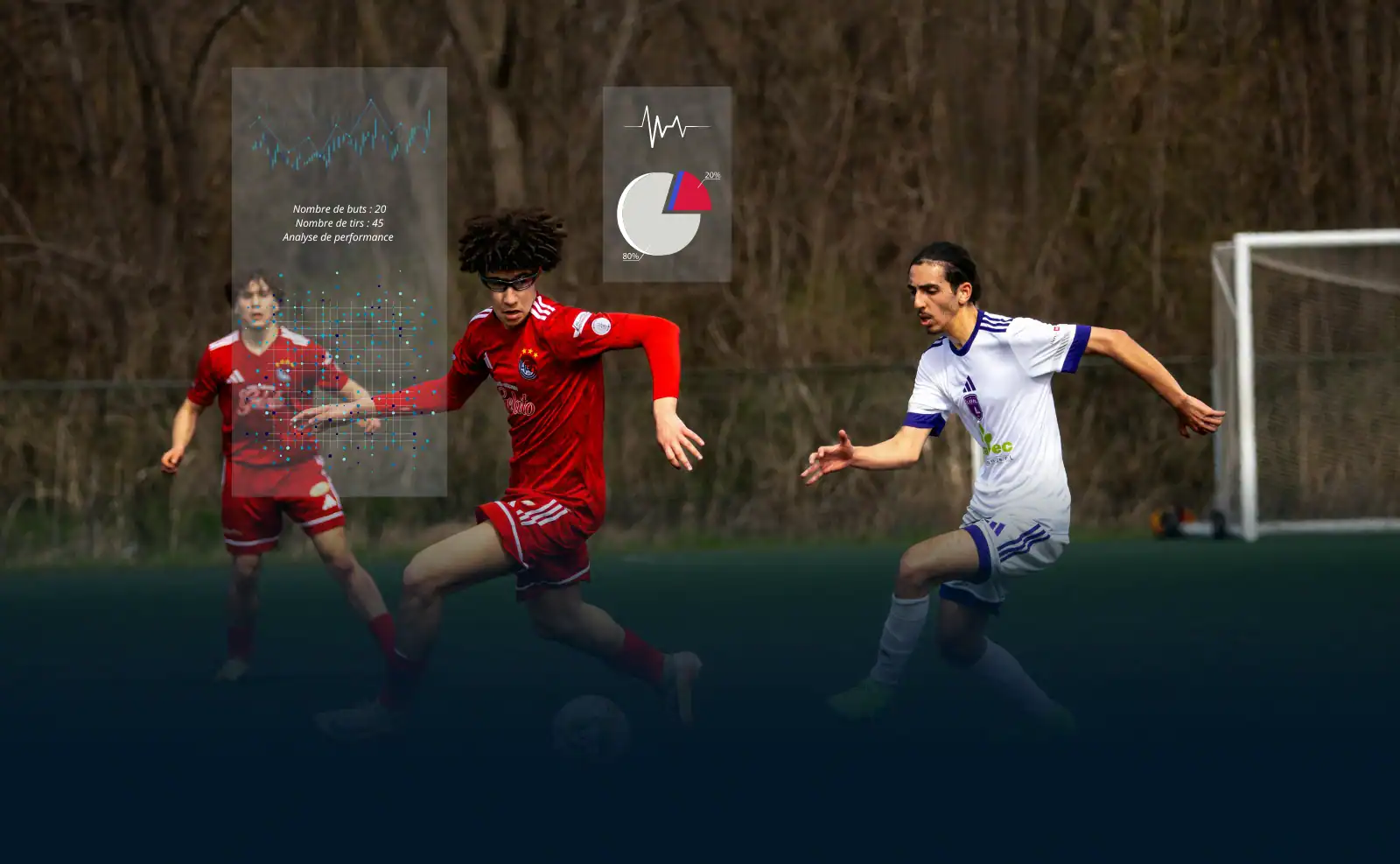
Artificial intelligence is already transforming many aspects of soccer — performance analysis, recruitment, medical monitoring, and fan experience. Under the umbrella term “AI in soccer,” we group together technologies that harness video analytics, positional tracking, and biometric monitoring to inform coaching staff decisions and optimize player conditioning and match preparation. This technological evolution represents a paradigm shift in how elite clubs approach preparation, tactical development, and injury mitigation.
How Is Artificial Intelligence Revolutionizing Soccer?: The Scope of Modern Soccer Analytics
Artificial intelligence, once confined to academic research laboratories, has become integral to virtually every operational level of professional soccer. Soccer stands at the forefront of this technological revolution. Leveraging sophisticated algorithms, sensor networks, and advanced data processing, top-tier clubs now possess unprecedented tools capable of transforming their training methodologies, recruitment strategies, and on-pitch execution.
This adoption extends well beyond Europe’s elite. While innovation leaders like Manchester City, Liverpool FC, and FC Barcelona established the blueprint for data-driven decision-making, numerous lower-league and semi-professional teams are increasingly embracing accessible solutions — intelligent camera systems, player load monitoring platforms, and automated performance analysis tools. AI in soccer has transcended theoretical speculation; it is now an embedded operational reality at all levels of the game.
Improving Player Performance with AI
One of the earliest applications of artificial intelligence in soccer has been quantifying and optimizing player performance metrics. Modern clubs deploy integrated analytical platforms that capture tens of thousands of data points during competitive matches and training sessions: sprint velocity, total distance covered, high-intensity running intervals, cardiovascular stress indicators, pass completion rates, press efficiency metrics, and beyond. Once processed through machine learning models, these datasets reveal performance patterns that enable coaches to fine-tune conditioning protocols and training stimuli with scientific precision.
Platforms including StatsBomb, Catapult, and Hudl employ proprietary algorithms to synthesize vast volumes of soccer data into actionable performance metrics. Strength and conditioning specialists can subsequently calibrate training loads based on individual fatigue responses, implement injury mitigation protocols, or construct opposition-specific tactical rehearsals using historical datasets.
The sophistication extends considerably further at elite institutions. Manchester City, for instance, deploys predictive modeling systems capable of forecasting form deterioration or elevated overuse injury risk in specific muscle groups. These computational tools do not supersede coaching expertise — rather, they amplify it by furnishing objective, real-time insights that facilitate faster, more evidence-based tactical and medical interventions.
AI Revolution in Recruitment and Scouting
Data analytics has fundamentally restructured player recruitment methodology in professional soccer. Historically, scouts depended almost exclusively on subjective field observation and accumulated experiential judgment to identify prospective signings. Contemporary recruitment now benefits from artificial intelligence as a powerful analytical ally.
Specialized platforms such as Wyscout and SkillCorner employ machine vision algorithms and performance analytics to comprehensively evaluate thousands of soccerers globally, standardizing assessment across objective criteria: sprint profiles, positional patterns, technical execution metrics, and tactical positioning tendencies. Through these technological interfaces, clubs can now identify players whose stylistic characteristics align with their tactical philosophy without necessarily witnessing them perform live. AI-enabled filtering reduces recruitment inefficiency, unearths undervalued talent across global markets, and mitigates expensive transfer miscalculations — a critical consideration given the financial magnitude of contemporary transfer investments.
Yet this represents a fundamental philosophical reorientation rather than a wholesale replacement of traditional scouting. The scout’s intuitive judgment remains foundational; AI now provides corroborating, real-time statistical validation. Liverpool FC exemplifies this balanced methodology. The club has established a sophisticated data science division that harnesses advanced statistical frameworks to guide recruitment operations. This analytical approach facilitated the early identification of transformative talents — Mohamed Salah and Sadio Mané — before their emergence as globally recognized superstars, demonstrating AI’s capacity to unlock hidden value in the transfer market.
Player Health Monitoring and Injury Prevention
Medical monitoring represents an increasingly critical domain where artificial intelligence generates measurable impact. Contemporary AI systems integrate medical records, physiological datasets, and behavioral performance information to recognize preliminary warning indicators of potential injury or unsustainable fatigue accumulation — often before these conditions manifest clinically.
Elite organizations integrate non-invasive wearable sensors into training apparel to continuously measure critical biomarkers: heart rate variability, ground reaction forces during impact activities, sleep architecture and quality, and recovery metrics. Machine learning algorithms then process this biometric information to identify physiological anomalies and alert medical personnel to potential issues before they precipitate on-field injury incidents.
Collaborative partnerships between clubs and specialized startups — such as Zone7 — exemplify this preventive paradigm. Zone7’s predictive algorithms reportedly reduce the incidence of muscular injuries by approximately 30% through early intervention. These predictive models derive robustness from processing millions of data points accumulated across diverse professional leagues, generating increasingly reliable injury forecasting.
The dual benefits for stakeholders are substantial: athletes experience extended career longevity and reduced reinjury complications, whilst clubs optimize squad availability and protect considerable financial capital invested in player development and acquisition.
AI-Assisted Advanced Tactical Analysis and Strategic Preparation
Artificial intelligence is fundamentally transforming how soccer clubs analyze competitive play and construct strategic preparations. Modern video analysis systems, powered by machine vision and deep learning architectures, can automatically extract granular information regarding player positioning, passing lane utilization, territorial control patterns, and exploitable spatial advantages.
Contemporary analytical solutions — TacticalPad and SkillCorner among others — enable detailed examination of tactical organization and structure. Coaches can now visualize high-frequency positional clusters, forecast opposing team transitions through data analysis, and even conduct virtual tactical experimentation with alternative formations and systems.
Certain elite clubs have progressed beyond analytical observation to tactical simulation: AI reconstructs opposition playing patterns from historical performance data and recommends corresponding tactical adjustments. This methodology — previously confined to video game environments — has evolved into a legitimate strategic instrument within competitive professional soccer.
AI and the Fans: Strengthening the Supporter Experience
The influence of artificial intelligence extends considerably beyond the technical and tactical dimensions of competition. Clubs increasingly harness technology to deepen engagement with their supporter communities. Virtual support assistants, mobile applications, and content customization algorithms now provide individualized experiences calibrated to each supporter’s preferences and consumption patterns.
Major institutions including Paris Saint-Germain and Manchester United deploy AI-powered chatbots to provide immediate responses to supporter inquiries, deliver personalized content recommendations, and promote tailored merchandise offerings. Additional clubs employ predictive analytics to optimize communication strategy — timing of social media posts, video content categories, and targeted promotional offers — based on aggregated fan behavior datasets.
This AI-augmented supporter experience strengthens organizational understanding of audience demographics, amplifies digital engagement metrics, and establishes supplementary revenue generation opportunities.
Obstacles, Limitations, and Ethical Considerations of AI in Soccer
Despite artificial intelligence’s demonstrable advantages within professional soccer, several meaningful constraints warrant careful consideration.
- Data Quality and Interpretation represents the fundamental limitation. AI systems perform only as reliably as the data they process — accuracy, completeness, and proper contextual interpretation are prerequisites. Deficient data quality or misinterpretation can precipitate consequential decision-making errors, particularly concerning personnel management and medical interventions.
- Privacy and Ethical Governance constitute the second critical consideration. The collection and utilization of biometric, medical, and behavioral datasets raises legitimate concerns regarding athlete privacy and data protection. Transparent protocols and robust data safeguarding mechanisms must remain non-negotiable requirements.
- Financial Accessibility presents the third constraint. Whilst elite-tier clubs can commit substantial capital to advanced technological systems, semi-professional and amateur organizations confront significant budgetary barriers. Encouragingly, technological accessibility is expanding. Emerging platforms including Veo, Playermaker, and XPS Network offer simplified AI integration pathways at dramatically reduced cost structures, democratizing access to computational performance analysis across competitive hierarchies.
AI in Soccer: Enhancement, Not a Replacement
The fundamental premise of artificial intelligence in soccer should be absolutely clear: AI exists to augment human expertise, not to supplant it. AI technologies furnish objective analytical perspectives and quantitative decision-support frameworks whilst preserving the irreplaceable human elements — coaching intuition, player empathy, tactical creativity, and leadership judgment.
Soccer fundamentally remains a sport of passion, spontaneity, and human unpredictability. Technology must evolve the sport, not homogenize it through algorithmic conformity. Organizations that achieve sustainable competitive advantage will be those capable of synthesizing technological innovation with human insight — leveraging data’s analytical power while maintaining the collaborative intelligence, creative tactical expression, and emotional resonance that define the beautiful game’s enduring appeal.