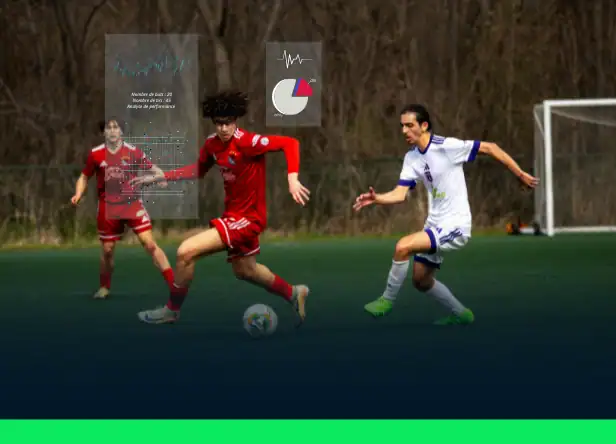
Ever wondered what drives the precision behind Neymar’s mesmerizing dribbles, the power behind Ronaldo’s thunderous free kicks, or the lightning reflexes of Neuer’s spectacular diving saves? The answer lies in the fascinating world of biomechanics — the scientific foundation that governs every movement on the soccer pitch.
This comprehensive analysis explores how biomechanical principles shape soccer performance, from the explosive acceleration of attackers to the calculated positioning of defensive stalwarts. Through understanding these mechanical forces and movement patterns, players, coaches, and analysts can unlock new levels of performance while minimizing injury risks.
What Is Biomechanics? The Foundation of Athletic Movement
Biomechanics represents the intersection of biology and engineering, examining how mechanical principles govern the movement of living organisms. In sports science, biomechanics focuses on how the human body generates, controls, and optimizes movement patterns to maximize athletic performance while maintaining structural integrity.
This scientific discipline analyzes the intricate relationship between muscular forces, joint mechanics, and movement efficiency. In soccer, biomechanical analysis reveals how players coordinate complex motor skills — from the subtle weight shifts during ball control to the explosive power generation during shooting.
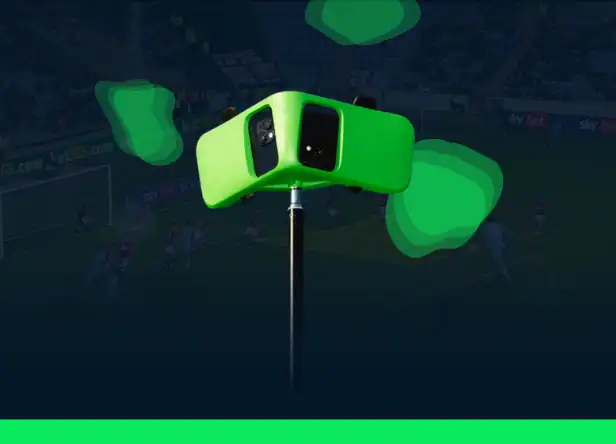
Soccer biomechanics in the modern era extends beyond simple movement observation. Advanced motion capture systems, force plates, and three-dimensional kinematic analysis provide unprecedented insights into player mechanics. These technologies enable coaches to identify inefficiencies, correct technique flaws, and develop personalized training protocols that enhance individual performance characteristics.
The application of biomechanical principles in soccer offers multiple performance benefits: optimized energy expenditure during match play, enhanced technique precision, reduced injury susceptibility through improved movement mechanics, and tactical advantages through better understanding of physical capabilities.
Biomechanical Applications Across Sports
Biomechanical analysis can reveal key insights into how athletes move and how they can enhance performance.
Before we focus specifically on soccer, let’s look at some other sports that use biomechanics extensively:
- Track & Field: Used to study running mechanics and improve stride efficiency.
- Swimming: Helps swimmers optimize stroke technique and body position for better hydrodynamics.
- Golf: Professional golfers rely on biomechanical data to refine their swing, posture, and alignment.
- Tennis: Used to analyze service motion, stroke technique, and on-court movement.
- Cycling: Cyclists use it to adjust their bike position, improve pedaling efficiency, and reduce air resistance.
- Ski Jumping: Athletes analyze flight posture and takeoff mechanics to maximize distance and control.
Biomechanics and Soccer: The Beautiful Game Decoded
soccer demands an extraordinary range of biomechanical skills — explosive sprinting, precise ball manipulation, aerial dueling, rapid directional changes, and sustained endurance performance over 90 minutes. Each action requires sophisticated coordination between multiple body systems working in perfect synchronization.
Soccer biomechanics encompasses several critical analysis areas:
1. Movement Mechanics Analysis
How do elite players execute complex movements like rapid direction changes or powerful long-range strikes? Biomechanical analysis dissects these actions into constituent components, examining joint angles, muscle activation patterns, and force generation sequences. This detailed breakdown enables coaches to identify technical inefficiencies and develop targeted improvement strategies.
2. Force Distribution Patterns
Understanding how mechanical forces transmit through a player’s kinetic chain during jumping, sprinting, or striking actions is crucial for performance optimization. Proper force distribution maximizes power output while minimizing stress on vulnerable anatomical structures, reducing injury risk and enhancing movement efficiency.
3. Energy Efficiency Optimization
soccer matches demand sustained high-intensity performance over extended periods. Biomechanical analysis identifies movement patterns that conserve energy while maintaining performance standards, enabling players to sustain peak output throughout match duration.
4. Tactical Biomechanics
Soccer in the modern era increasingly recognizes the biomechanical aspects of player interactions during tackles, aerial duels, and positional play. Understanding these physical dynamics helps coaches develop tactical strategies that maximize team advantages while minimizing physical vulnerability.
Contemporary soccer analysis utilizes biomechanical data for multiple applications beyond technique refinement. Performance analysts use movement data to provide precise feedback to coaching staff, influencing training load management, tactical preparation, and individual development programs. Recruitment departments leverage biomechanical profiling to assess player physical capabilities and identify transfer targets with specific movement characteristics.
Biomechanical Analysis of Forward Players
Forward players exemplify the diverse biomechanical demands of soccer, requiring explosive power, precise ball control, aerial dominance, and rapid decision-making capabilities. Their performance depends on seamlessly integrating strength, balance, coordination, and technical precision under intense pressure.
Key Biomechanical Movements for a Striker
- Shooting Technique: Biomechanics explains how a striker generates power through the legs and transfers it into the ball for a precise, powerful shot.
- Dribbling: By studying weight distribution and foot movement, analysts can understand how forwards maintain balance and agility while maneuvering at speed.
- Aerial Combat Mechanics: Heading duels demand optimal jumping mechanics to maximize vertical displacement and contact timing. Biomechanical factors include takeoff angle, approach speed, neck muscle activation, and body positioning during ball contact to ensure both power and accuracy.
- Neuromuscular Coordination: The rapid decision-making required in goalscoring situations involves complex coordination between visual processing, motor planning, and muscular execution. Elite forwards demonstrate superior reaction times through optimized neuromuscular pathways.
- Sprint Mechanics: Forward players require explosive acceleration to create separation from defenders and exploit scoring opportunities. Biomechanical analysis examines stride frequency, ground contact time, and force application angles during maximal sprint efforts.
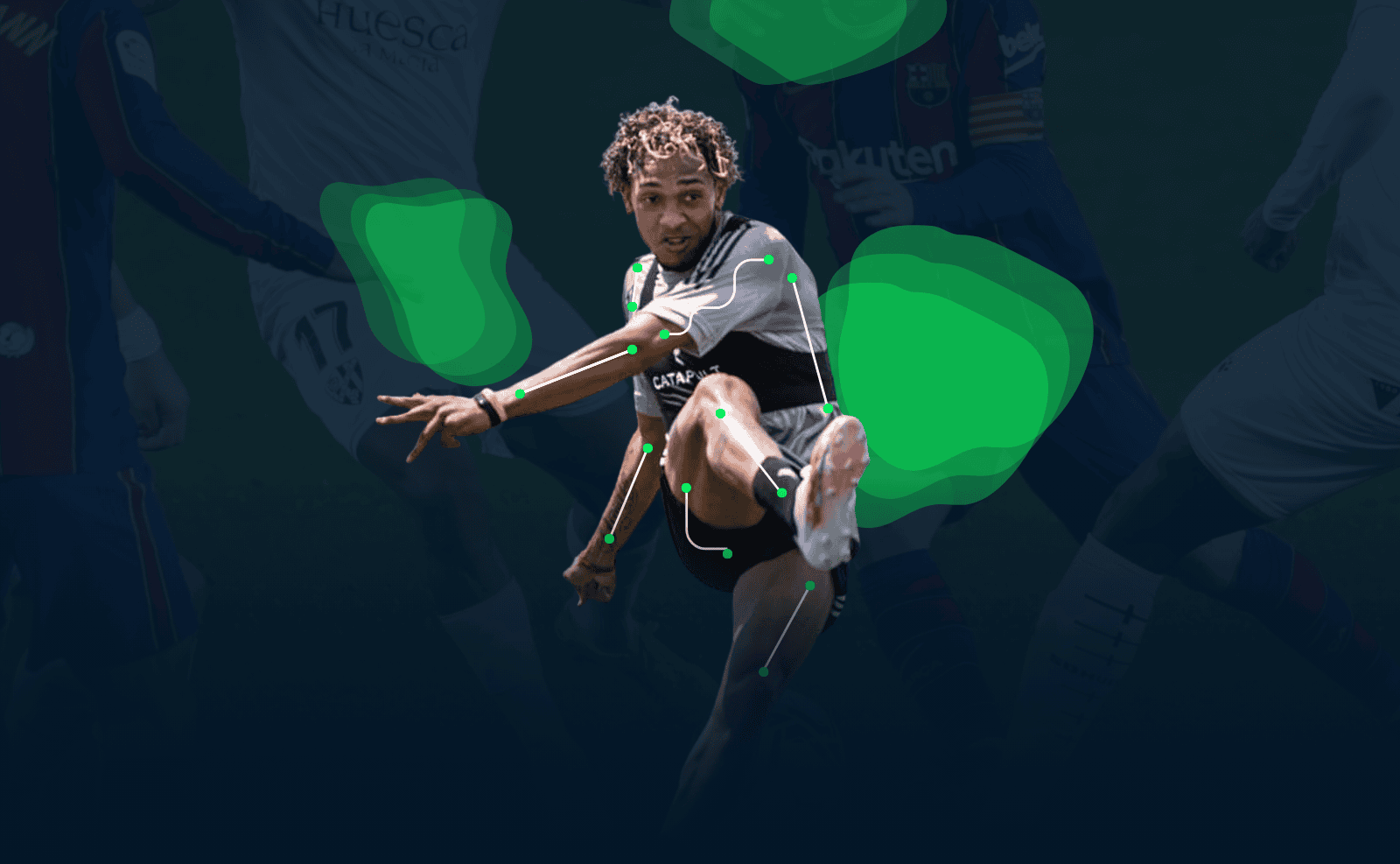
- Long-Range Shooting Technique: Powerful strikes from distance require full-body coordination, with energy generated through hip and trunk rotation transferred efficiently through the striking leg. Body positioning, approach angle, and follow-through mechanics all influence shot power and trajectory.
- Pressure Situation Ball Control: Maintaining possession under defensive pressure demands exceptional biomechanical control, with subtle adjustments in body positioning and foot contact enabling forwards to shield the ball effectively.
Each of these elements helps strikers refine their technical skills, accuracy, and finishing ability — ultimately leading to more decisive goals.
Detailed Biomechanical Analysis: The Perfect Strike
When analyzing a forward’s shooting technique, the biomechanical sequence involves three distinct phases that must coordinate seamlessly for optimal results.
Phase 1: Approach Phase
The player approaches the ball, typically after a short run-up or sprint.
Phase 2: Backswing Phase
The leg swings backward to generate momentum and store elastic energy in the muscles.
Phase 3: Striking Phase
The leg accelerates forward, transferring energy into the ball through precise timing and coordination.
To analyze these movements, professionals use video analysis and eye-tracking technology.
This allows them to capture and evaluate each stage of the shot to improve technique and even anticipate outcomes.
Studies have shown that goalkeepers often focus on specific indicators during the approach phase — such as the striker’s kicking leg, plant foot, shoulder orientation, and eye direction.
Understanding these cues helps goalkeepers predict shot placement and refine their own reactions.
Goalkeeper Biomechanics: The Last Line of Defense
Goalkeeping represents one of soccer’s most specialized biomechanical challenges, requiring unique combinations of anticipatory skills, explosive power, flexibility, and precise timing. The position demands rapid transitions between different movement patterns while maintaining optimal positioning and reaction readiness.
- Anticipation: Biomechanics reveals how goalkeepers read ball trajectories and adjust their stance to make early saves.
- Positioning: By analyzing weight distribution and stance adjustments, coaches can understand how goalkeepers reduce shooting angles and cover more of the goal.
- Posture: Maintaining a stable posture ensures balance and faster reaction time. Biomechanics explains how proper posture supports agility and coordination.
- Footwork: Leg and foot mechanics are critical for fast lateral movements, sharp dives, and quick repositioning.
- Diving: Analysis focuses on how goalkeepers use leg propulsion, body rotation, and arm extension to execute efficient, powerful dives.
- Reflexes: Studying coordination between the eyes, brain, and muscles helps understand how goalkeepers react to unexpected shots.
- Vertical Leap: Jump height depends on leg strength, coordination, and takeoff angle — all key biomechanical elements for aerial saves.
Comparative Table: Goalkeeper Movements and Training Focus
We’ll conclude this article with a comparative table that outlines the muscles, joints, and training recommendations for each key goalkeeper movement.
These biomechanical insights help goalkeepers strengthen specific areas and refine their technique.
| Movement | Muscles Involved | Joints Involved | Tips and Exercises |
|---|---|---|---|
| Anticipation | Quadriceps, hamstrings, calves | Knees, ankles | Simulate real game scenarios where the goalkeeper must anticipate the striker’s movement. |
| Positioning | Abdominals, back muscles | Hips, knees | Perform drills with targeted shots to improve positioning and spatial awareness. |
| Posture | Core and back muscles | Hips, knees, ankles | Strengthen core muscles to maintain balance during dives and saves. |
| Footwork | Quads, hamstrings, calves, adductors | Hips, knees, ankles | Practice quick, multidirectional movements to improve reactivity and support balance. |
| Diving | Legs: quads, hamstrings, calves / Core: abs, back | Hips, knees, ankles, shoulders | Train with shots from different heights and angles to perfect diving form. |
| Reflexes | Arm and hand flexors/extensors | Wrists, elbows, shoulders | React to short, rapid shots — vary ball trajectories using cones or rebound drills. |
| Vertical Jump | Quadriceps, hamstrings, calves | Hips, knees, ankles | Practice from a seated or static position, focusing on explosive vertical takeoff. |
The Role of Biomechanics in Soccer: The Science of Modern Soccer Performance
Biomechanics provides the scientific foundation for understanding every aspect of soccer performance, from the explosive power of a striker’s shot to the precise timing of a goalkeeper’s save. This analytical approach enables players, coaches, and support staff to optimize training methods, enhance technical execution, and minimize injury risks through evidence-based interventions.
Contemporary soccer increasingly relies on biomechanical insights to gain competitive advantages. Professional clubs invest heavily in motion analysis systems, force measurement technology, and biomechanical expertise to enhance player development and performance optimization. These scientific approaches complement traditional coaching methods, providing objective data to support tactical and technical decision-making processes.
The integration of biomechanical analysis into soccer training represents a paradigm shift toward evidence-based performance enhancement. By understanding the mechanical principles underlying elite performance, players can develop more efficient movement patterns, reduce energy expenditure, and extend their competitive careers through improved movement quality and injury prevention strategies.
Soccer success increasingly depends on the sophisticated application of biomechanical principles across all aspects of the game. From youth development programs to elite professional environments, the systematic analysis of movement mechanics provides the foundation for sustained improvement and competitive excellence. Every movement on the soccer pitch tells a biomechanical story — and understanding that narrative unlocks the potential for extraordinary performance.