Among all positions on the soccer pitch, the center back remains one of the most pivotal and intellectually demanding. Tasked as the final bulwark before the goalkeeper, a center back must blend defensive mastery, anticipation, and distribution in equal measure. This comprehensive guide dissects the core responsibilities of the center back, offers practical drills, and introduces the world’s top central defenders shaping the modern game.
What Is the Role of a Center Back?
The center back acts as the anchor of any defensive unit—a foundation upon which successful teams are built. Traditionally seen as “stoppers” who simply clear their lines and win tackles, the modern center back is now a multidimensional player. Top teams deploy them not only as destroyers but as initiators of build-up play, organizers of the back line, and leaders in high-pressure situations.

The Modern Context
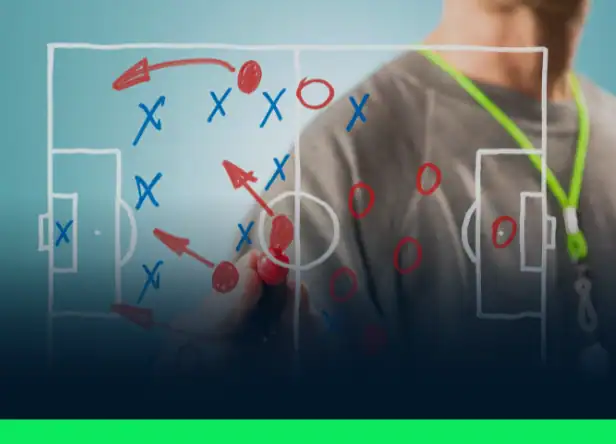
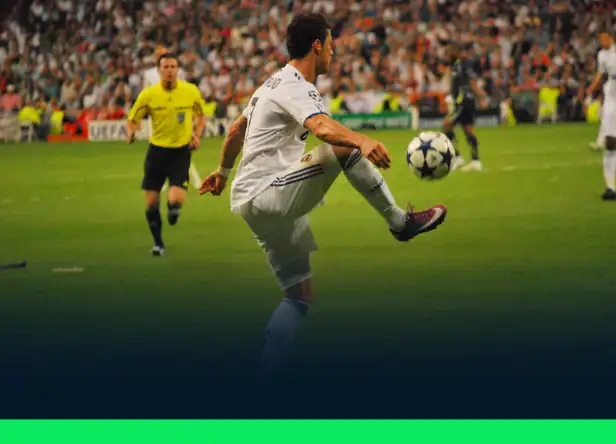
In tactical systems like the 4-3-3 or 3-4-2-1, center backs (often called “CBs”) operate as a pairing or within a back three, requiring precise understanding, coordination, and the ability to read the game at lightning speed.Featured above (picture): Joško Gvardiol, Sergio Ramos, and Carles Puyol—a trio representing the blend of physicality, leadership, and technical quality characterizing elite center backs.
The Main Responsibilities of a Center Back
1. Interceptions and Tackling
Elite center backs excel in anticipating passes, both on the ground and through the air. Their defensive toolkit includes:
- Standing tackles: Timed challenges that reclaim possession without committing fouls.
- Slide tackles: Bold interventions to block shots or passes in situations of last resort.
- Shoulder-to-shoulder challenges: Key to disrupting an attacker’s momentum.
2. Marking and Tracking Attackers
High-level marking is fundamental. Center backs must adapt their marking approach depending on whether their side is employing zonal or man-marking systems. Reading attackers’ movements and positioning themselves accordingly is crucial.
- Tight marking: Restricts strikers from turning or receiving the ball comfortably.
- Covering runs: Anticipates and neutralizes off-the-ball movements, especially from prolific forwards.
3. Aerial Dominance
Aerial prowess separates good center backs from great ones. Dominating in the air ensures safety on defensive set-pieces and presents a threat on attacking corners and free-kicks.
- Clearances: Powerful headers to repel crosses.
- Offensive potential: Scoring from set pieces, a hallmark of defenders like Virgil van Dijk and Sergio Ramos.
4. Ball Distribution and Build-Up Play
With the game evolving, modern center backs are expected to initiate attacks from the back. Composure under pressure and accurate passing are non-negotiable.
- Short passes: Progress the ball safely through midfield.
- Diagonal and long-range distribution: Stretch opponents and find wide players or advanced attackers in space.
5. Leadership and Communication
A central defender is usually the on-field general, orchestrating the defensive line and maintaining structure. Effective communication ensures the back line moves in unison, applies the offside trap, and covers spaces collectively.
The Best Center Backs in the World
Deciding who ranks among the elite involves more than just raw defensive stats. Modern analysis—using platforms like the CIES Football Observatory and Wyscout—measures center backs on attributes vital to team success.
What Defines a Center Back’s Impact?
According to the CIES Football Observatory and Wyscout, a defender’s impact is measured across six categories:
- Ground defense: Tackles, blocks, and recovery actions.
- Distribution: Pass completion rate and progressive passing.
- Progression: Carrying the ball out of defense and breaking opposition lines.
- Assisting play: Initiating attacking sequences.
- Finishing (set-piece threat): Goals scored or assisted from dead-ball situations.
- Aerial duels: Win percentage in air challenges.
Top 5 Center Backs of the 2025–2026 Season
| Player | Age | Minutes Played | Impact | Club | Key Domain |
|---|---|---|---|---|---|
| Virgil van Dijk | 34 | 2,892 | 89.2 | Liverpool FC | Aerial Duels |
| William Saliba | 24 | 2,745 | 87.6 | Arsenal | Ground Defense |
| Abdukodir Khusanov | 22 | 2,156 | 86.4 | Manchester City | Speed/Progression |
| Jonathan Tah | 29 | 2,678 | 85.9 | Bayer Leverkusen | Aerial Duels |
| Pau Cubarsí | 18 | 2,104 | 85.2 | Barcelona | Distribution |
These players exemplify the sophistication required of modern-day central defenders—pairing world-class athleticism with technical and tactical nous.
Who Is the Best MLS Center Back?
While talent flourishes worldwide, the rise of Olwethu Makhanya as MLS’s preeminent center back in 2025 embodies the global reach of defensive excellence. The South African, representing the Philadelphia Union, adapted instantly to the pace and physicality of MLS. His strengths:
- Physical duels: Outmuscling opposing strikers, even under relentless pressure.
- Game intelligence: Anticipates threats before they materialize.
- Leadership: Commands respect and coordinates with his back line, vital for minimizing defensive errors.
Makhanya’s composure—both in 1v1 situations and under aerial bombardment—helped Philadelphia register the league’s fewest goals conceded. His rapid development positions him as a future benchmark for defenders across North America.
The 10 Greatest Center Backs of All Time
No discussion is complete without the names that shaped soccer’s defensive art. While comparing eras is always challenging, these ten legends set enduring standards for present and future defenders:
- Franz Beckenbauer: The “Kaiser”—pioneered the sweeper role, combining elegance, leadership, and attacking thrust.
- Paolo Maldini: Synonymous with loyalty and defensive perfection for AC Milan and Italy.
- Franco Baresi: Immaculate reader of the game and a master of positioning.
- Bobby Moore: England’s World Cup-winning captain, celebrated for his anticipation and tackle timing.
- Alessandro Nesta: Graced the game with technical finesse and tactical brainpower.
- Fabio Cannavaro: Ballon d’Or-winning defender, central to Italy’s 2006 World Cup triumph.
- Sergio Ramos: Prolific leader, match-winner, and goal-scoring defender.
- Ronald Koeman: Renowned for his passing range and free-kick prowess.
- Gaetano Scirea: Embodied composure and versatility in Juventus’s golden era.
- Carles Puyol: The heart and soul of Barcelona, relentless in defending and inspiration.
Each of these titans redefined what it means to be a center back, leaving legacies that transcend generations.
Center Back Training Drills
To excel as a center back, players must train with specific exercises that strengthen the core defensive skills required for this position. Here are three fundamental drills to help beginners develop their defending ability:
1. Interceptions and Tackle Drill
- Goal: Improve timing and efficiency in interceptions and tackles.
- Equipment: Cones, balls.
- Setup: Create a playing zone with cones. A teammate passes the ball through the zone while the defender anticipates the pass, intercepts it, and performs a standing or sliding tackle if necessary.
Progression: Add attackers to simulate real-game speed and pressure.
2. Aerial Dominance Drill
- Goal: Cultivate technique and bravery in headed clearances and aerial dominance.
- Equipment: Soccer balls, Cones.
- Setup: The coach crosses balls from the wings. The defender positions themselves properly, tracks the ball, and clears it with a header — replicating real match situations.
Variation: Adapt drill height and trajectory to simulate different match situations, including set-piece defending.
3. Playing Out from the Back (Under Pressure)
- Goal: Improve composure and passing accuracy when initiating attacks with opposition pressing.
- Equipment: Balls, mannequins, or cones.
- Setup: Simulate pressure using teammates or training mannequins. The center back receives the ball, evades pressure, and delivers a precise pass to a midfielder or fullback to start the attack.
The Different Types of Defenders: Roles & Qualities
Center backs are often supported by other defenders who play in complementary roles. Here’s an overview of the main defensive positions:
Center Back
As discussed, the center back plays in the heart of the defense, tasked with stopping opposing attackers and controlling the central defensive zone.
Key Qualities:
- Strong game-reading ability
- Excellent aerial play
- Sharp positioning sense
Right Back
The right back protects the right flank of the defense and must be quick and agile to counter opposing wingers.
Key Qualities:
- Speed and stamina
- Strong tackling and interception ability
- Capable of overlapping to deliver crosses
Left Back
The left back mirrors the right back’s role on the opposite side.
Key Qualities:
- Solid tackling and marking
- Ability to push forward to support attacks
- Accurate crossing ability
Comparison Table: Types of Defenders
Here’s a recap table of the different types of defenders and their primary roles:
| Type of Defender | Main Role | Key Qualities |
|---|---|---|
| Center Back | Stop attacks through the middle | Game reading, aerial duels, positioning |
| Right Back | Protect the right side | Tackling, speed, offensive runs, crossing |
| Left Back | Protect the left side | Tackling, speed, offensive runs, crossing |
How to Become a Better Center Back?: Key Tips
Want to improve as a center back? Here are five essential tips that combine physical, technical, and mental preparation.
1. Prioritize Physical Conditioning
Strength, agility, and explosive speed are prerequisites. Dedicate time to plyometric and resistance training to stay dominant in duels and recover quickly during transitions.
2. Master Technical and Tactical Skills
Hone your tackling technique, first touch, and range of passing. Regularly review tactical footage to grasp advanced defensive movements and the nuances of back line organization.
3. Develop Superior Game Awareness
Study elite players, focusing on how they track runners, shift to cover danger zones, and make split-second decisions under pressure.
4. Lead Through Communication
A center back must marshal teammates with constant, clear instructions. Effective communication eliminates confusion, guarantees offside traps, and ensures collective defensive actions.
5. Train Your Mental Resilience
Mental toughness separates world-class defenders from the rest. Learn to shake off mistakes, remain focused after setbacks, and maintain intensity throughout 90+ minutes.
Conclusion: The Center Back’s Enduring Importance
Being a center back in soccer demands more than just defensive acumen; it requires vision, leadership, and adaptability. By understanding core responsibilities, engaging in specialized drills, and forging mental fortitude, any aspiring defender can raise their game to new heights.
From the physical dominance of Van Dijk and Saliba to the masterful distribution of Dias, the art of central defense continues to evolve—with the best center backs standing as the foundation of every great soccer team.