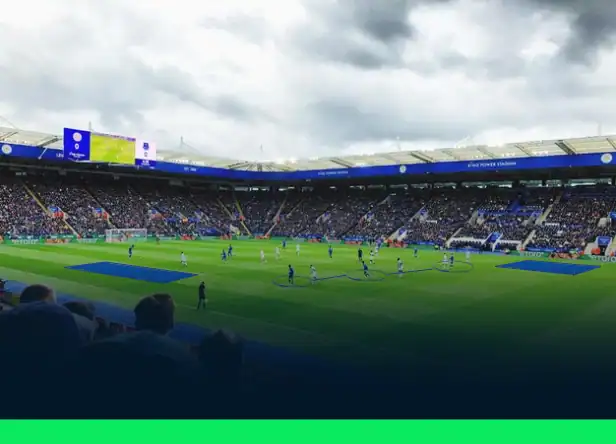
Clubs and academies across the U.S. regularly organize soccer trials to identify and develop young talent. These sessions provide aspiring players a forum to exhibit ability, compete in their right age group, and draw the attention of scouts and coaches whether free or paid. This piece dissects how tryouts work, what evaluators search for, and what to anticipate in the 2026 cycle.
Registration and Age Groups
Players must register in the correct age bracket, based on birth year, to ensure fair play and appropriate evaluation. Registration typically works in two ways:
- Walk-up registration on tryout day (common with some local clubs).
- Pre-registration online, entering details and paying any required fee ahead of time.
Age group categories help coaches assess players among peers at similar physical and technical stages. In the U.S., open tryouts for competitive youth soccer typically begin from around age 11.
What Happens on Tryout Day? Explained
The day kicks off with a staff introduction. Coaches address questions and provide a schedule, evaluation standards, field plan, and response overview. Players are given numbered bibs or jerseys for recognition.
Warm-Up and Physical Readiness
To help players acclimate and reduce injury risk, early sessions include dynamic warm-ups—jogging, dynamic stretching, and little agility drills. Coaches want players ready both physically and psychologically before moving to official skill assessment.
Technical and Physical Drills
Players rotate through focused drills, each testing specific skill categories:
- Ball mastery and first touch: Close control, juggling, dribbling through cones.
- Passing and receiving: Short- and long-range passing accuracy, quick one-twos, receiving under pressure.
- Shooting and finishing: Striking technique, finishing under pressure, shooting on the run.
- Defending: 1v1 defending, positioning, tackling.
- Goalkeepers: Shot-stopping, distribution, command of the penalty area.
Clubs may also incorporate standardized athletic tests, such as sprint speed (10m/20m dashes), agility (T-test, 5-0-5), endurance runs (Yo-Yo/Beep/Cooper test), and vertical jumps, usually for older or more advanced levels.
Game Scenarios: Small-Sided and Full Matches
The core of every tryout is live play. Most clubs use small-sided games (5v5, 7v7, or 9v9) before—if at all possible—moving to full 11v11 scrimmages. Small-sided designs demonstrate how players handle real-game pressure and guarantee everyone gets considerable ball touches.
Coaches scrutinize every player in their inherent position—defender, midfielder, winger, striker, or goalkeeper—judging game sense, positioning, off-ball agility, vision, and decision-making (for example, selecting a a basic pass against a hazardous dribble.
What Coaches and Scouts Evaluate? The Key Evaluation indicators
The modern assessment process is broad and systematic:
- Technical skill: Dribbling, passing, shooting, first touch, use of both feet.
- Tactical awareness: Positioning, spatial awareness, movement off the ball, decision-making during transitions.
- Physical ability: Speed, agility, stamina, coordination, strength in duels.
- Psychological factors: Attitude, coachability, resilience under pressure, work ethic, and communication.
- Team play: Unselfishness, communication, leadership, and how well the player raises the level of those around them.
For goalkeepers, evaluators focus heavily on distribution, shot-stopping, communication with defenders, and mental composure.
Post-Tryout Evaluation and Selection
Tryout results are rarely instant. Before choosing candidates, coaches and evaluators examine grades, notes, and occasionally video excerpts. Decisions might take several days. Direct emails, phone calls, or club website updates provide communication. Often given for non-selected players to help direct them toward improvement is constructive criticism.
The process is created to guarantee choices are objective, equitable, and match the playing needs of each team. Many clubs keep track of every player’s tryout performance by means of standard evaluation sheets.
Development Pathways and Next Steps
Players aged 13–14 with exceptional skills may be scouted for top-level training and nationwide competition offered by advanced leagues like MLS Next or ECNL. Others are pointed toward significant regional or local projects. Players not chosen for top teams frequently keep training, playing, and reapplying in next rounds; clubs give specific criticism and recommendations for improvement.
2026 Soccer Tryout Calendar
Every year, U.S. clubs publish their tryout dates mainly on official websites and social media. Since most clubs hold only one tryout session per season, it’s important to check regularly. Some platforms also provide summary calendars listing tryouts by club and age group.
Here’s a sample of 2026 tryouts across different clubs and academies:
| Club / Academy | City / State | Birth Years / Age Groups | Tryout Dates | Categories | Level / League |
| Ames Soccer Club | Ames, Iowa | 2015–2006 (U11–U19) | 2026 schedule: information coming soon (June as usual) | Boys & Girls | Local / State |
| Arlington Soccer (USL) | Arlington, VA | 2017–2011 | Registration open Jan–Feb 2026, selection via training evaluation | Boys & Girls | USL Youth League |
| PSA Force Soccer | Marysville, WA | 2016–2012 (U9–U14) | Estimate: late Apr–early May 2026 | Boys & Girls | Local / Regional |
| Maryland United FC | Maryland | Varies by age group | Historically late April–early May | Boys & Girls | ECNL / Nat. League |
| Manhattan Soccer Club | New York, NY | All ages | Rolling tryouts for Spring/Fall 2026 | Boys & Girls | Local / National |
| U.S. Soccer Talent ID | National | U12–U14, U15–U17, etc. | Official calendar online | Boys & Girls | National Training |
Check each organization’s website regularly for age group specifics and updates—spot availability and last-minute open trials do occur.
Final Thoughts: Tips for Tryout Success
- Arrive early, fully equipped, and well-rested.
- Play simple, smart soccer—show tactical discipline, good decision-making, and strong fundamentals.
- Communicate and encourage teammates.
- Respond positively to coaching and feedback.
- Focus on both individual skills and team play—most coaches value unselfish, adaptable players.
Whether or not a player is selected, each tryout offers a chance to grow, develop, and prepare for the next opportunity. Consistency, effort, and a passion for learning are what keep players moving through the ranks.