Introduction
Ball control is the foundation of every successful soccer player’s skill set. Whether you’re a coach designing training sessions or a player committed to improvement, understanding and implementing soccer ball control drills is essential for breaking through performance plateaus. The ability to receive, manipulate, and move the ball with precision separates elite players from average ones on the field.
This guide covers what ball control means, why it matters, and the best soccer ball control drills for beginners, intermediate, and advanced players. You will also find practical ideas that coaches, players, and parents can apply immediately on the training ground.
What Is Ball Control in Soccer?
Ball control refers to a player’s ability to manage the soccer ball while maintaining direction, speed, and positioning. It includes receiving the ball cleanly, adjusting body position, and executing precise touches under different levels of pressure.
When working on ball control, coaches target several interconnected skills: first touch, close control, directional control, and shielding. Together, these components determine how effectively a player can keep possession and influence the game.
Why Ball Control Is Essential for Performance
Ball control directly impacts every phase of play, from building out of the back to finishing attacks. Players with strong ball mastery retain possession longer, create more scoring opportunities, and reduce turnovers in dangerous areas. For coaches, this means better team possession and more control over the match rhythm.
A quality first touch and close control create space by allowing players to receive the ball while already moving away from pressure. This small time advantage often separates successful attacks from lost possessions. For youth players in particular, early focus on ball control builds confidence and technical freedom as they progress through higher levels.
Types of Ball Control in Soccer
Understanding different types of ball control in soccer helps structure training sessions and select appropriate drills.
First touch (receiving the ball)
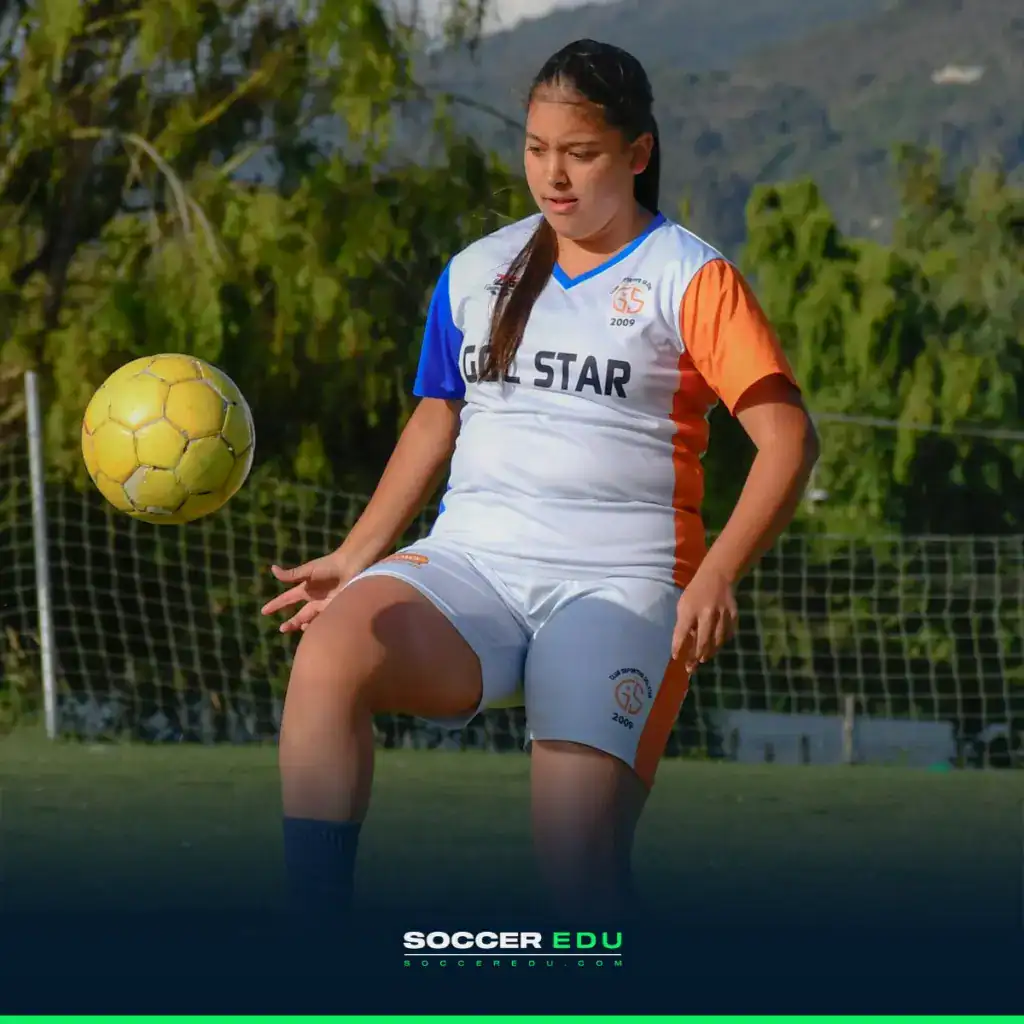
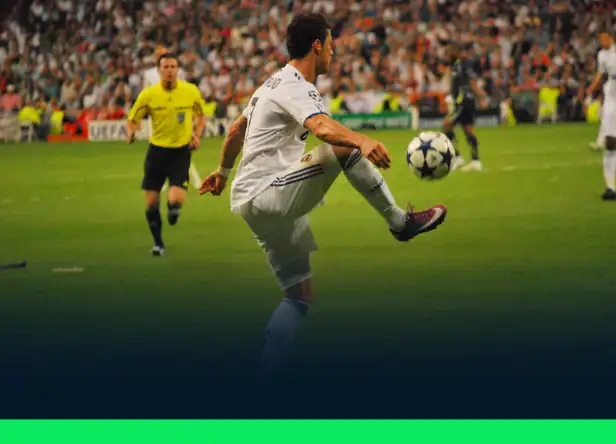
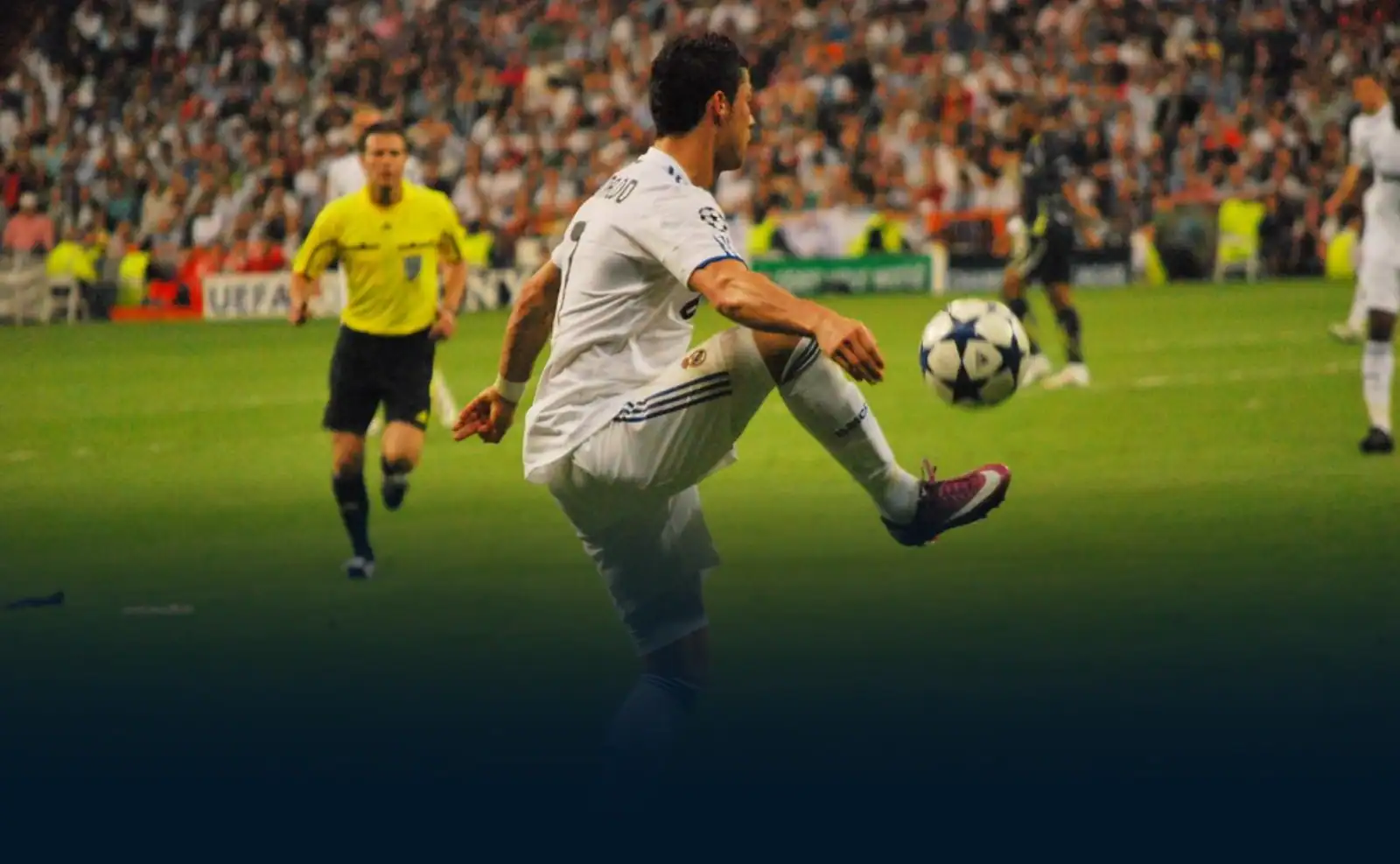
First touch is your initial contact with an incoming pass, and it dictates what you can do next. A good first touch sets up the next action, whether it is a pass, shot, or dribble, while a poor one invites pressure and turnovers.
Close control (dribbling)
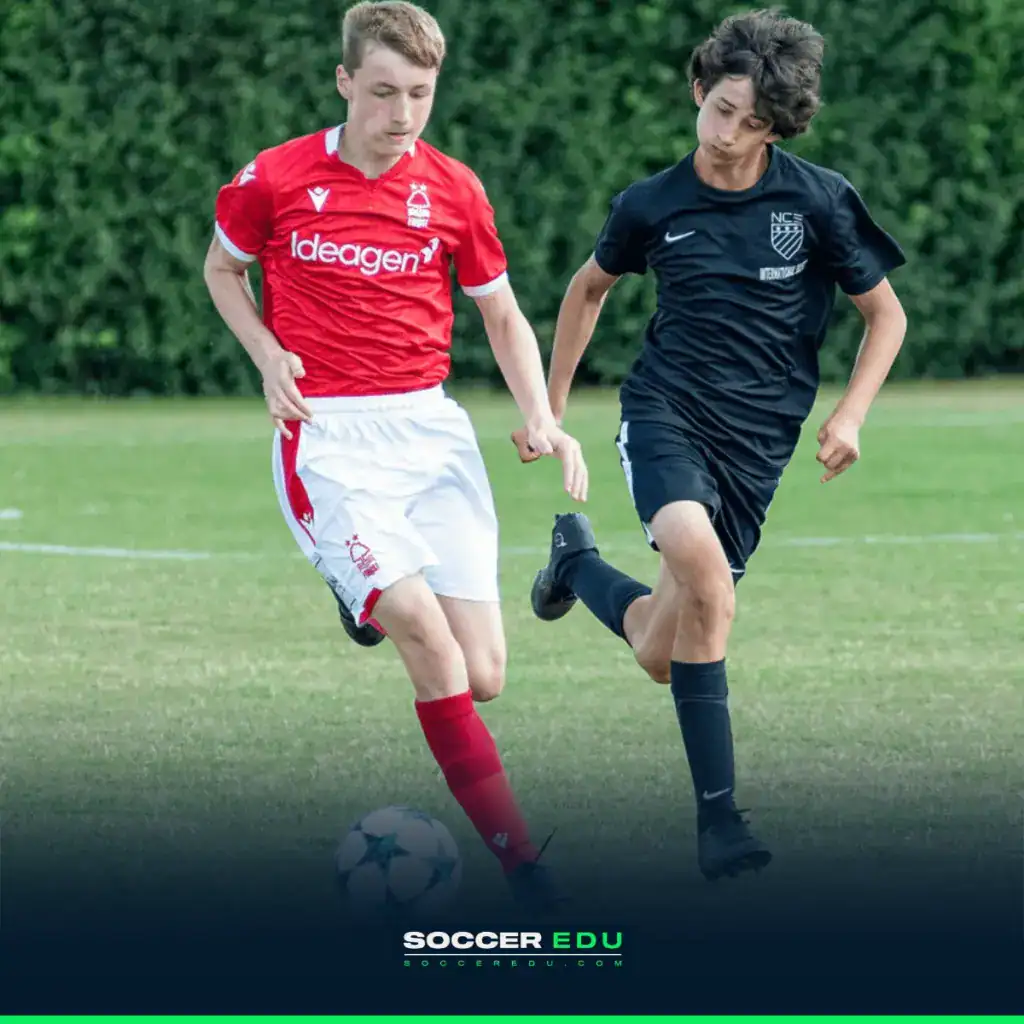
Close control describes a player’s ability to move the ball over short distances while keeping it close to the feet. It includes running with the ball, weaving through tight spaces, and changing direction quickly under pressure.
Directional control
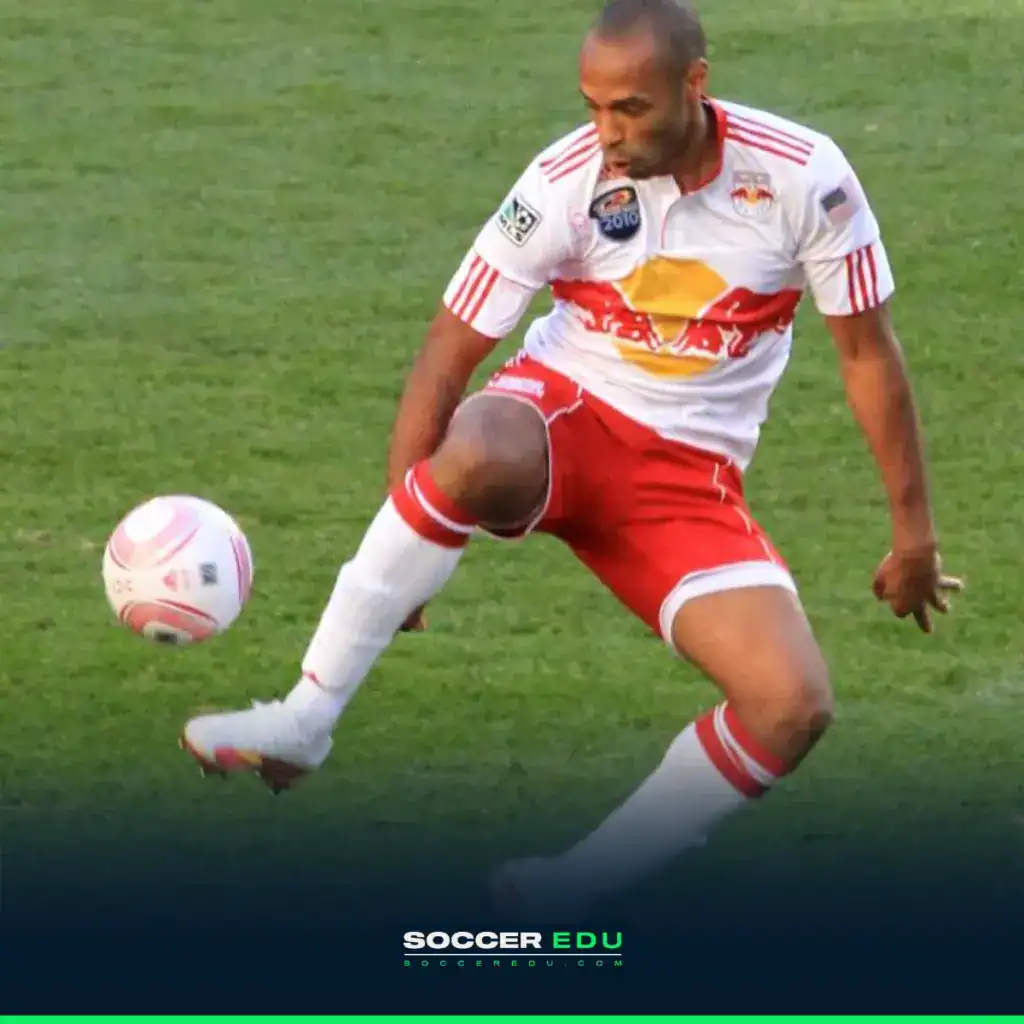
Directional control is the ability to move the ball into a specific space with the first or second touch using different surfaces of the foot. Players use the inside, outside, or sole to guide the ball away from defenders and into space where they can take their next action.
Ball shielding
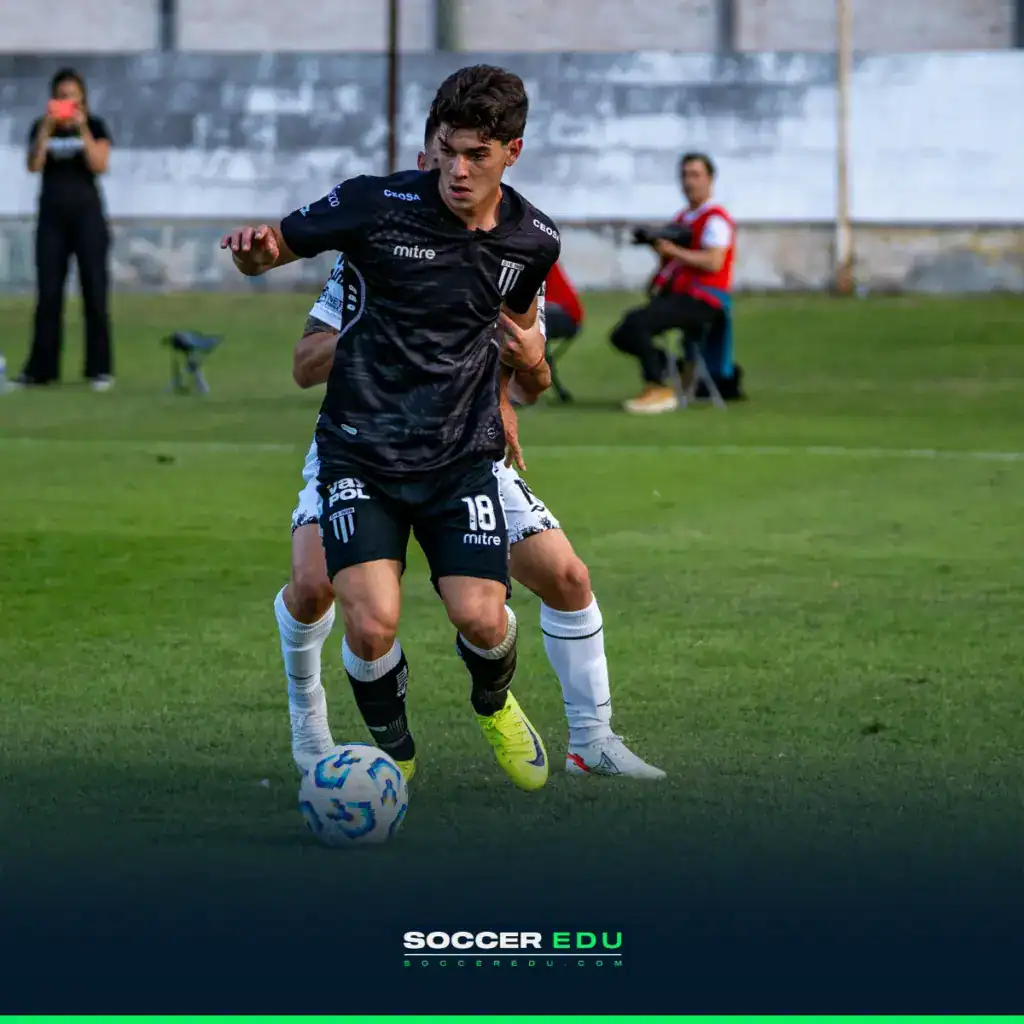
Ball shielding is using the body to protect the ball from opponents while maintaining control. This is critical in congested areas of the field when players need time to wait for support or create a passing lane.
Soccer Ball Control Drills for Beginners
Beginner soccer ball control drills should build comfort and confidence with frequent touches and simple decisions, typically for younger players such as U6, U7, or U8.
Cone weaving drill
- Set up 5–6 cones in a straight line, spaced about 2–3 yards apart.
- Players dribble through the cones using only the right foot, then repeat using only the left foot.
- Emphasize small, controlled touches and keeping the ball close rather than pushing it far ahead.
Start with 3 sets of 2 repetitions in each direction. To progress, increase cone spacing and limit the number of touches between cones.
Wall pass and control drill
- Players stand about 10 yards from a wall or partner.
- They pass the ball, then receive it back and take a directional touch away from their starting position before playing the next pass.
This is a simple, effective soccer first touch drill that builds awareness of where the ball goes after the first contact. Aim for 20 quality repetitions per set, focusing on control rather than power.
Sole-of-the-foot dribbling
Use a 15×15-yard grid. Players dribble using only the sole of their foot to move the ball forward, backward, and side to side. The goal is to increase ball familiarity and develop the ability to manipulate pace using sole touches. Work for 2–3 minutes, rest briefly, and repeat.
Two-touch receiving drill
- A partner passes from about 12 yards away.
- The receiving player controls the ball with the first touch and passes back with the second touch.
This drill reinforces clean receiving and consistent passing rhythm and is perfect for youth and amateur players.
Soccer Ball Control Drills for Intermediate Players
Intermediate players can perform more complex soccer ball control drills that involve movement, decision-making, and moderate pressure, which suits age groups like U9 to U11.
Four-corner passing and movement
- Place 4 cones in a square of about 20×20 yards.
- One player at each cone, with a ball starting at one corner.
- Players pass diagonally across the square, then follow their pass with a sprint to the next cone.
Upon receiving, players take a directional first touch and then play the next pass. This drill improves first touch speed, movement off the ball, and spatial awareness.
Rondo (keep-away circle)
- Arrange 6–8 players in a circle with 2–3 defenders in the middle.
- Outside players keep possession with one or two touches, while defenders try to win the ball.
When a defender wins the ball, they trade places with the player who lost it. This classic possession game sharpens close control, quick passing, and decision-making under pressure.
1v1 grid dribbling
- Create a 12×12-yard grid with two players inside.
- One player attacks, trying to dribble from one end to the other, while the other defends.
The attacker must stay within the grid, forcing tight-space dribbling and shielding. After each attempt, swap roles and play 30-second rounds.
First touch scoring drill
- Set up two small goals about 2 yards wide at opposite ends of a 20×30-yard area.
- Partners stand roughly 15 yards apart and pass to each other.
The receiving player must take a directional first touch and then shoot at the opposite goal within two touches total. This drill connects first touch, directional control, and finishing.
Advanced Ball Control Drills and “Without a Ball” Options
Advanced players need soccer ball control drills that test touch under intense pressure, speed, and fatigue, plus complementary work without a ball, usually appropriate for U13 and above.
3v3 possession in limited space
- Use a 20×15-yard grid.
- Two teams of three compete to keep possession, usually with a two-touch maximum rule.
The tight area forces quick decisions, sharp first touches, and intelligent body positioning to receive under pressure. Play 4-minute rounds with short rests.
Small-sided 5v5 game
- Play 5v5 on a half-field or in a 40×30-yard space.
- Start with one- or two-touch restrictions, then remove them as players adapt.
Small-sided games are one of the best soccer ball control drills because they replicate match intensity while increasing the number of touches per player.
Soccer ball control drills without a ball
These options train movement patterns and body positioning even when a ball is not available.
First touch positioning drill
- Partners throw the ball by hand rather than passing with the feet.
- The receiving player focuses on body shape, foot angle, and orientation to the field as if preparing a first touch.
This isolates the mechanics of receiving and helps build muscle memory for good posture and balance.
Movement ladder drills
- Players perform quick-feet patterns through an agility ladder, working on speed, coordination, and directional changes.
Improved footwork translates directly into better balance and control when dribbling or receiving the ball.
Implementation Strategy for Coaches
To get real improvement, coaches should build ball control into the weekly training structure instead of using these drills only occasionally.
- Frequency: Aim for 3–4 ball control sessions per week for development teams and 5–6 for competitive players.
- Duration: Dedicate 15–20 minutes per training session specifically to ball control before moving into tactical work.
- Progression: Start with stationary or slow drills, then add movement, pressure, and finally small-sided games.
- Feedback: Emphasize touch quality, body positioning, and decision-making over pure speed.
Common Ball Control Mistakes to Avoid
Correcting bad habits early can accelerate improvement in first touch and ball mastery.
- Pushing the ball too far ahead instead of keeping it close with short touches.
- Poor body positioning, such as facing the ball square rather than receiving side-on.
- Using only one surface of the foot and neglecting inside, outside, and sole touches.
- Ignoring the non-dominant foot, which makes players predictable and easier to defend.
Conclusion
Soccer ball control drills are the technical foundation that separates competitive players from purely recreational ones. By progressing from simple cone weaving and wall passes to tight-space rondos and 3v3 possession, players can steadily develop high-level first touch and ball mastery.
For coaches, building these drills into weekly plans ensures players at every level gain more confidence, better first touch quality, and improved decision-making under pressure. Start integrating these soccer ball control drills for beginners, intermediate, and advanced players, and you will see noticeable improvement within just a few training cycles.