In an increasingly demanding soccer environment, managing player fatigue has become a key factor in performance and injury prevention. Whether physical or mental, fatigue can result from training overload, a congested competitive calendar, poor recovery, or constant psychological pressure.
As a soccer professional, understanding the underlying causes of player exhaustion is essential for optimizing match preparation, extending careers, and securing long-term sporting success.
The Causes of Fatigue in Soccer
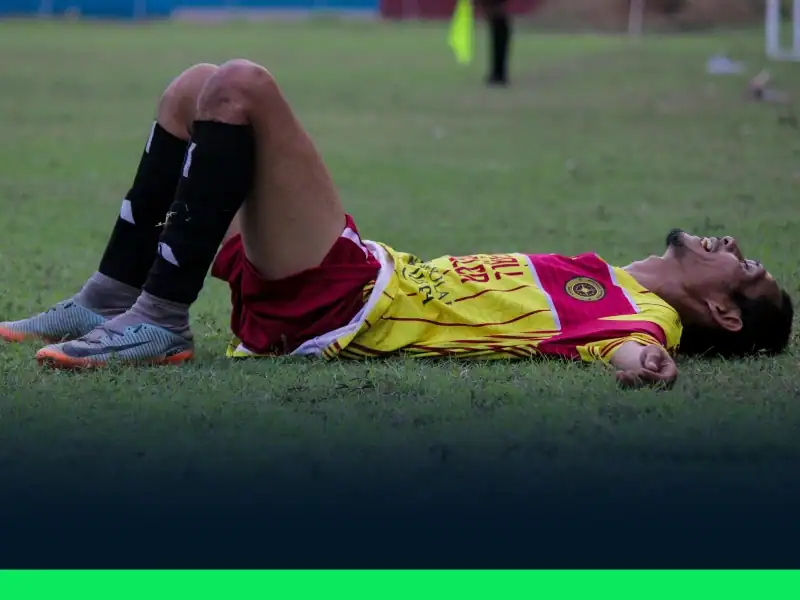
Fatigue in soccer players can be divided into two main categories: physical fatigue and mental fatigue. Several factors influence how and when fatigue appears during matches or training:
Training and match volume
Both professional and amateur soccer players participate in an extensive number of matches per season. Combined with intensive training sessions, this workload can induce significant physical fatigue. Professional soccer players typically require about 48 hours to fully recover after an official match, with physiological markers remaining elevated for up to 24 hours post-match. The modern soccer calendar has intensified dramatically – FIFPRO’s 2024 Player Workload Monitoring report revealed that 54% of monitored players experienced excessive or high workload demands during the 2023/24 season.
Inadequate recovery
Insufficient recovery between matches and training sessions remains one of the primary causes of muscular fatigue. Players must prioritize proper recovery protocols to allow the body to repair itself after intense efforts. Research indicates that professional players need at least 48-72 hours to fully restore metabolic homeostasis and address muscle trauma following competitive matches.
Mental factors
Stress, pressure during crucial matches, or prolonged competitive periods can precipitate mental fatigue. This aspect is frequently underestimated, yet it directly impacts concentration and decision-making on the pitch. Studies reveal that 20-35% of professional players exhibit symptoms of depression, rates significantly higher than the general population. Mental conditioning can help mitigate this form of fatigue.
Injuries and lack of preparation
Acute or chronic injuries are a common source of muscle fatigue. Injuries also slow down recovery and reduce overall performance levels.
How to Play Soccer Without Getting Tired?
Effectively managing physical fatigue is essential for any player who wants to maintain a high level of performance throughout the season. Here are four proven strategies:
1. Intelligent training periodization
Strength and conditioning coaches must adapt sessions according to each player’s workload capacity. Balancing effort and recovery periods is fundamental. Annual periodization helps prevent overload through structured macrocycles, mesocycles, and microcycles. Proper warm-ups and cool-downs (incorporating stretching) should always be included in training protocols.
2. Active recovery protocols
Players should integrate low-impact recovery activities such as cycling or swimming into their routines. Deep, restorative sleep remains equally critical to prevent cumulative fatigue throughout the week. Recovery strategies should be individualized based on player-specific needs and match demands.
3. Nutrition and hydration
Proper nutrition is non-negotiable. Players must consume enough carbohydrates for energy, proteins for muscle repair, and vitamins/minerals for injury prevention. Regular hydration before, during, and after training or games is also vital. Regular hydration before, during, and after training sessions or matches is vital for maintaining performance standards.
4. Stress management for mental fatigue
Soccer players need to learn how to cope with competitive stress. Tools like meditation, breathing exercises, or visualization can reduce mental strain and boost focus during matches. Professional psychological support should be readily available to address mental health concerns.
How to Identify a Fatigued Player?
Sources of Fatigue Recognition
Fatigue manifests in numerous ways, both physically and mentally. Early detection of warning signs is essential for preventing injuries and performance decrements.
- Physical Indicators: decreased sprint velocity, slower reaction times, compromised coordination, labored breathing after efforts, and reduced movement efficiency.
- Behavioral Indicators: decelerated play tempo, avoidance of duels, poor decision-making, inaccurate passing, and failed ball control.
These signals should be closely monitored to adjust workload appropriately or implement immediate rest protocols for affected players.
Video Analysis and Technology: A Reliable Monitoring Tool
Video analysis has emerged as a powerful instrument for tracking fatigue and preventing injuries. GPS technology combined with inertial measurement units provides comprehensive data on player movement patterns, workload distribution, and fatigue indicators.
By analyzing match or training footage, analysts can monitor player workload, identify signs of overexertion, and adapt training protocols accordingly. Advanced video analysis and biomechanics software enable teams to track crucial indicators including distance covered, maximum velocity achieved, and acceleration/deceleration patterns.
Research suggests that muscle injuries can be reduced by 25% through regular video monitoring systems (Catapult).
Identifying when players approach critical fatigue thresholds allows for proactive decision-making to prevent injuries.
Table: Fatigue Sources and Management Strategies
The table below summarizes the key sources of fatigue in soccer, their visible signs during performance, and recommended management strategies:
| Sources of fatigue | Visible signs | Possible solutions |
|---|---|---|
| Excessive training load | Reduced speed, uncoordinated movements | Adjust intensity, alternate heavy/light sessions |
| Congested match calendar | Slower play, general post-match exhaustion | Fewer matches or better scheduling |
| Mental fatigue (stress/pressure) | Poor focus, irritability, poor decision-making | Stress management, relaxation, psychological support |
| Inadequate recovery | Rapid breathing, muscle weakness, reduced output | Longer rest periods, quality sleep |
| Poor nutrition & dehydration | Low energy, concentration issues | Balanced diet, regular hydration |
The Evolution of Fatigue in Soccer
In recent years, competition calendars have intensified, directly impacting player fatigue. Many players are openly voicing concerns about the increasing number of games.
More Matches than ever
The 2024-25 season has seen expanded schedules due to new tournament formats. The Champions League has incorporated additional teams, resulting in more matches per season. The FIFA Club World Cup has expanded to 32 teams and will be held every four years, with potential future expansion to 48 teams and biennial frequency being considered.
Players now balance domestic, continental, and international commitments simultaneously, elevating their match counts while reducing recovery windows. Julian Alvarez exemplified this burden during the 2023-24 season, accumulating 83 squad inclusions due to overlapping competitions.
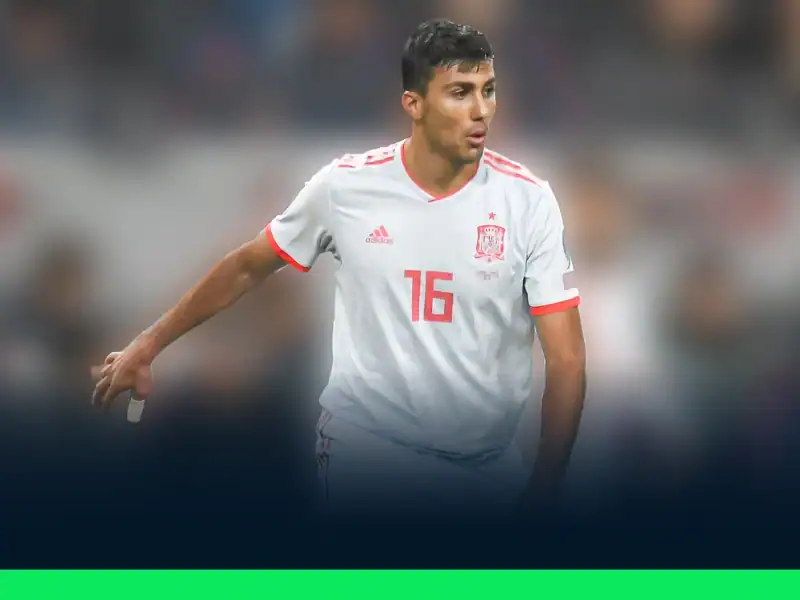
Prominent figures including Pep Guardiola, Rodri, and Marcelo Bielsa have voiced frustration about the unsustainable match calendar. FIFPRO data shows that 31% of monitored players had more than 55 matchday squad inclusions during the 2023-24 season.
Mental Health Concerns
Beyond fatigue and injury risks, player wellbeing faces significant challenges. Research indicates that professional soccerers experience higher rates of depression and anxiety compared to the general population.
Studies reveal that 20-35% of professional players show symptoms of depression, largely attributed to stress, overwork, and insufficient recovery time. The psychological demands of modern soccer, combined with media pressure and constant scrutiny, contribute to these elevated mental health concerns.
Fatigue in Soccer: Key Takeaways
Fatigue in soccer has evolved into a complex challenge due to congested calendars and intensive workload demands. The growing number of matches, high-intensity training protocols, and inadequate recovery periods place players at significant risk of injury and performance decline.
However, evidence-based solutions exist: intelligent training periodization, optimized recovery protocols, advanced video analysis technology, and comprehensive stress management strategies. Managing fatigue effectively extends beyond short-term player protection—it involves career longevity, performance enhancement, and maintaining the sustainability of the beautiful game.
The integration of scientific monitoring tools with traditional coaching wisdom provides the foundation for effective fatigue management in modern soccer. As the sport continues to evolve, prioritizing player welfare through systematic fatigue management will remain paramount for success at all levels of the game.