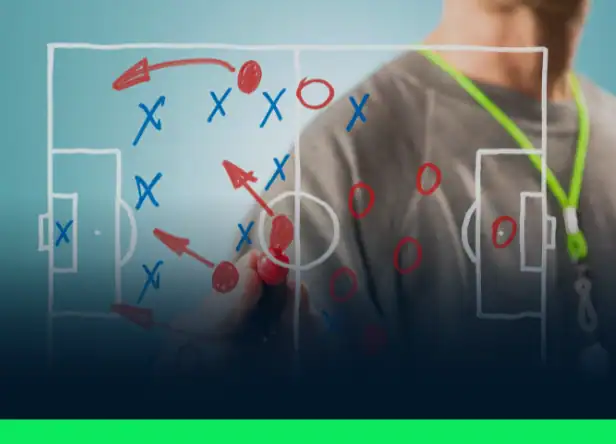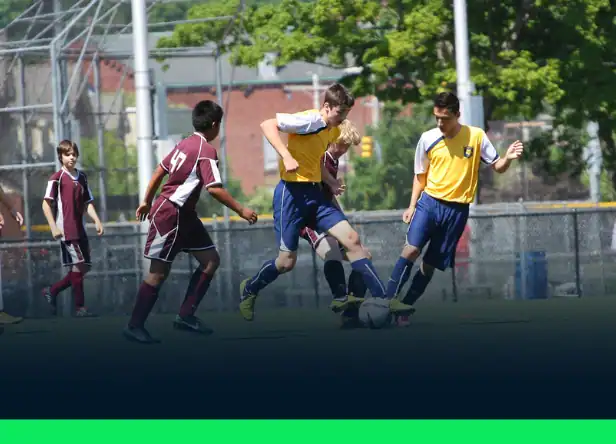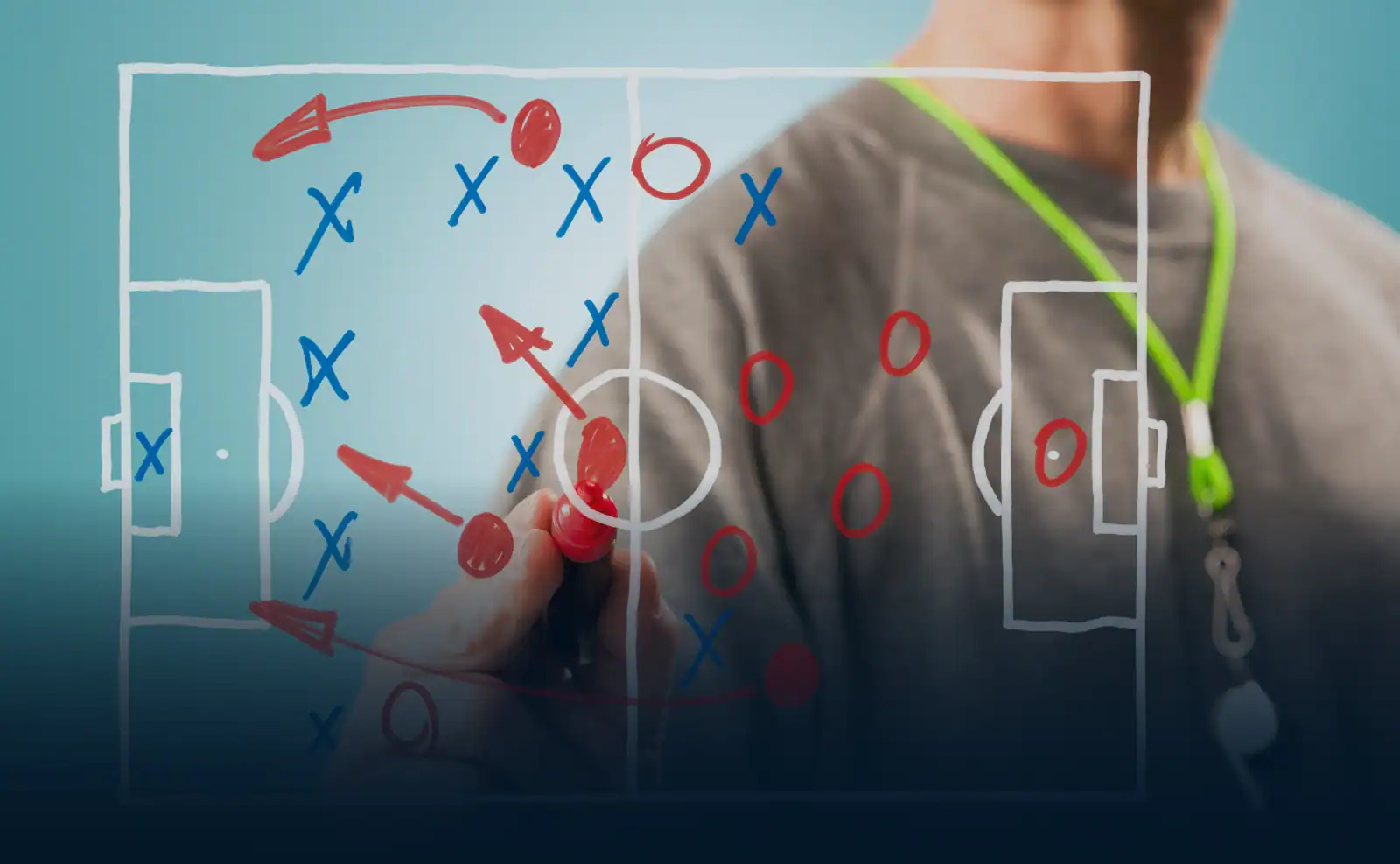
What is a soccer lineup?
A soccer lineup represents far more than simply arranging players on the pitch. The formation, or tactical setup, embodies the game plan and playing philosophy established by the coach—whether competing in traditional 11-a-side matches, development-focused 8-a-side games, or fast-paced 5-a-side encounters.
As legendary tactician José Mourinho noted:
“Soccer starts with the head, continues with the heart, and finishes with the feet.”
The lineup serves as the tangible manifestation of a coach’s tactical vision and strategic approach to each match.
Understanding Formation Fundamentals
The Strategic Foundation
A well-constructed lineup reflects the team’s overall tactical identity. Some squads emphasize high-pressing and attacking intensity, applying constant pressure on opponents through coordinated forward movement. Others adopt a more defensive approach, utilizing compact defensive blocks and counterattacking opportunities to exploit spaces left by advancing opponents.
Modern soccer tactics focus on positional play—patiently building attacks through controlled possession and precise passing combinations—while other systems prefer direct play, utilizing pace and vertical passing to bypass midfield areas. The chosen formation directly influences how teams approach both in-possession and out-of-possession phases of play.
Tactical Flexibility and Adaptability
Effective formations must demonstrate tactical flexibility during matches. Elite teams seamlessly transition between different tactical shapes based on game situations, opposition weaknesses, and match circumstances. This adaptability includes adjusting defensive lines, modifying pressing triggers, and implementing strategic substitutions to maintain tactical superiority.
11-a-side Soccer Formations
Traditional soccer features eleven players per team arranged in specific positional structures.
Standard 11-a-side composition:
- 1 Goalkeeper
- 4 Defenders (typically comprising two center-backs and two full-backs)
- 4 Midfielders (various combinations of defensive midfielders, central midfielders, and attacking midfielders)
- 2 Forwards (center forwards, wingers, or hybrid attacking roles)
Popular Formation Variations
The 4-4-2 formation provides balanced defensive stability with clear attacking structure. This traditional setup offers excellent midfield coverage and allows for effective wide play through overlapping full-backs and supporting midfielders.
The 4-3-3 formation has become increasingly popular, featuring a midfield triangle that provides both defensive solidity and creative freedom. This system emphasizes width in attack through advanced wingers and allows the central striker to drift between defensive lines.
The 4-2-3-1 formation incorporates a double pivot in defensive midfield, providing protection for the back four while supporting an advanced playmaker in the number 10 role. This structure enables teams to dominate possession while maintaining defensive discipline.
Common Mistakes to avoid when creating an 11-a-side lineup
- Defensive-Attacking Imbalance: Overcommitting players to attack leaves teams vulnerable to swift counterattacks, while overly defensive approaches limit creative opportunities and goal-scoring potential. Coaches must carefully balance risk and reward based on match situations and scoreline requirements.
- Poor Coordination Between Lines: With eleven players occupying different areas of the pitch, communication and positional discipline become crucial. Disconnected lines create exploitable gaps that organized opponents can penetrate through quick passing combinations or individual runs.
8-a-Side Soccer Formations
The 8-a-side format, commonly used in youth development (U8–U11 categories), promotes individual skill development while emphasizing tactical understanding in a more manageable environment.
Typical 8-a-side structure:
- Goalkeeper
- 3 Defenders (often featuring center-backs and wing-backs)
- 3 Midfielders (balanced between defensive and attacking responsibilities)
- 1 Forward (requiring versatility in hold-up play and link-up play)
8-a-Side Tactical Considerations
Popular formations include the 3-3-1 and 3-1-3 systems. The reduced player count and smaller pitch dimensions create faster-paced games with increased individual ball contact and decision-making opportunities.
The transitional nature of 8-a-side soccer demands players capable of fulfilling multiple roles during different phases of play. Midfielders must excel in both defensive pressing and creative distribution, while defenders need comfort joining attacking moves.
Mistakes to avoid when creating an 8-a-side lineup
- Defensive Negligence: Smaller playing areas accelerate the pace of counterattacks, making defensive organization and communication essential. Teams that overcommit to attack without maintaining defensive balance become vulnerable to quick transitions.
- Midfield Mobility Issues: Central midfielders in 8-a-side must demonstrate exceptional work rate and positional awareness. Players lacking mobility or tactical discipline can disrupt the team’s ability to maintain possession and control central areas of the pitch.
5-a-side Soccer Formations
Five-a-side soccer represents the most compact version of the game, emphasizing technical proficiency, quick decision-making, and spatial awareness in confined areas.
Standard 5-a-side formation:
- 1 Goalkeeper
- 2 Defenders (often playing as sweeper-defenders)
- 1 Midfielder (box-to-box responsibilities)
- 1 Forward (requiring exceptional first touch and creativity)
5-a-Side Strategic Elements
Common formations include 1-2-1 and 1-3 setups, though positional fluidity remains crucial. The limited space demands players with exceptional ball control, passing accuracy, and tactical intelligence to create scoring opportunities against compact defensive blocks.
Close control and one-touch passing become essential skills, as players rarely have time or space for multiple touches. The goalkeeper’s distribution and sweeping abilities significantly impact team play, often functioning as an additional outfield player during possession phases.
Mistakes to avoid when creating a 5-a-side lineup
- Goalkeeper Undervaluation: The reduced playing area magnifies the goalkeeper’s influence on match outcomes. Weak goalkeeping can severely impact defensive stability and transition play, while exceptional shot-stopping and distribution provide significant advantages.
- Lack of Attacking Creativity: Forwards in 5-a-side environments must demonstrate exceptional improvisation and spatial intelligence to create goal-scoring opportunities. Predictable attacking patterns become easily defendable in confined spaces, requiring constant tactical variation and individual brilliance.
How to Create the Best Soccer Lineup? Building Your Optimal Soccer Lineup
Now that we’ve explored different formats, here are three steps to build your ideal lineup:
- Analyze your players: Like a scout, assess each player’s strengths and weaknesses to assign the right roles and maximize long-term potential.
- Define your playing style: Like a coach, choose a system suited to your team’s identity and match situations.
- Train regularly: Team cohesion and mutual understanding are essential. Frequent practice helps refine both tactics and chemistry.
Player Assessment and Role Definition
Successful lineup construction begins with comprehensive player analysis. Coaches must evaluate individual strengths, weaknesses, and positional preferences to maximize team potential and minimize tactical vulnerabilities.
Key assessment criteria include:
- Technical abilities (passing, shooting, ball control)
- Physical attributes (pace, strength, endurance)
- Tactical intelligence (positioning, decision-making, game reading)
- Mental characteristics (leadership, composure, work rate)
Tactical Identity Development
Define your team’s playing philosophy based on available personnel and strategic objectives. Consider whether your squad excels in possession-based soccer, direct attacking play, defensive solidity, or transitional moments between defensive and attacking phases.
Successful tactical systems align with player capabilities while addressing opponent weaknesses and match-specific requirements. The chosen approach should remain flexible enough to adapt during matches while maintaining core tactical principles.
Training and Team Cohesion
Regular tactical training develops the mutual understanding and automatic reactions essential for effective team play. Focus on pattern recognition, positional discipline, and communication to ensure players execute tactical instructions instinctively during competitive matches.
Small-sided games in training provide excellent opportunities to practice tactical concepts in game-like conditions while maintaining high intensity and engagement levels.
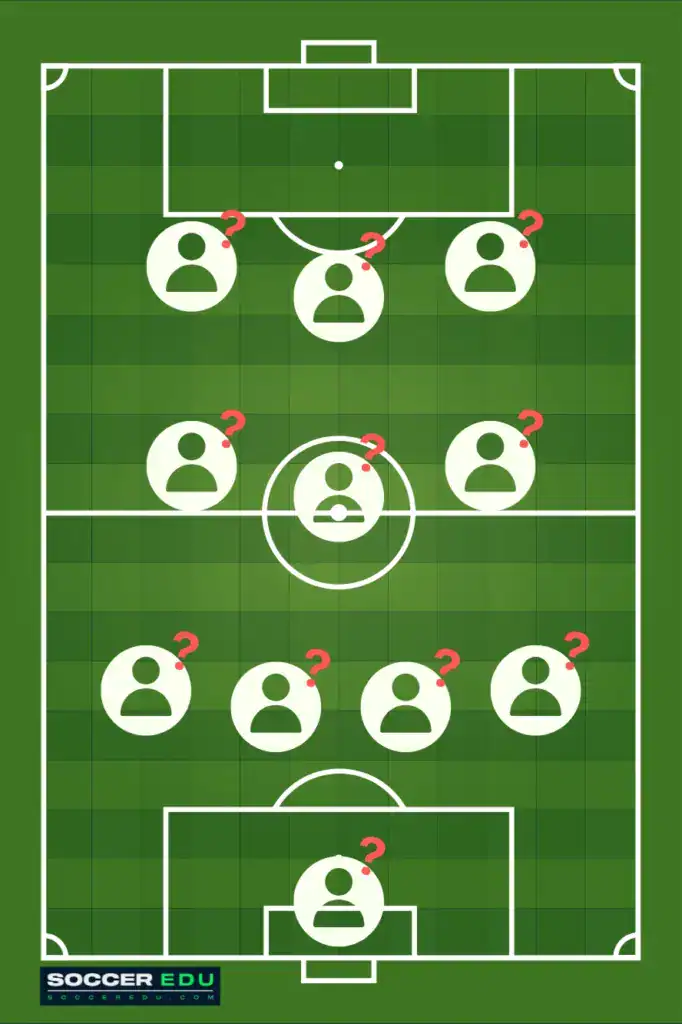
Build Your Own Soccer Lineup: Formation Selection Guide
Choose your preferred tactical system and build your squad accordingly:
11-a-Side Professional Lineup
Utilize the complete player pool to create a balanced team emphasizing your tactical preferences, whether focused on attacking width, midfield control, or defensive stability.
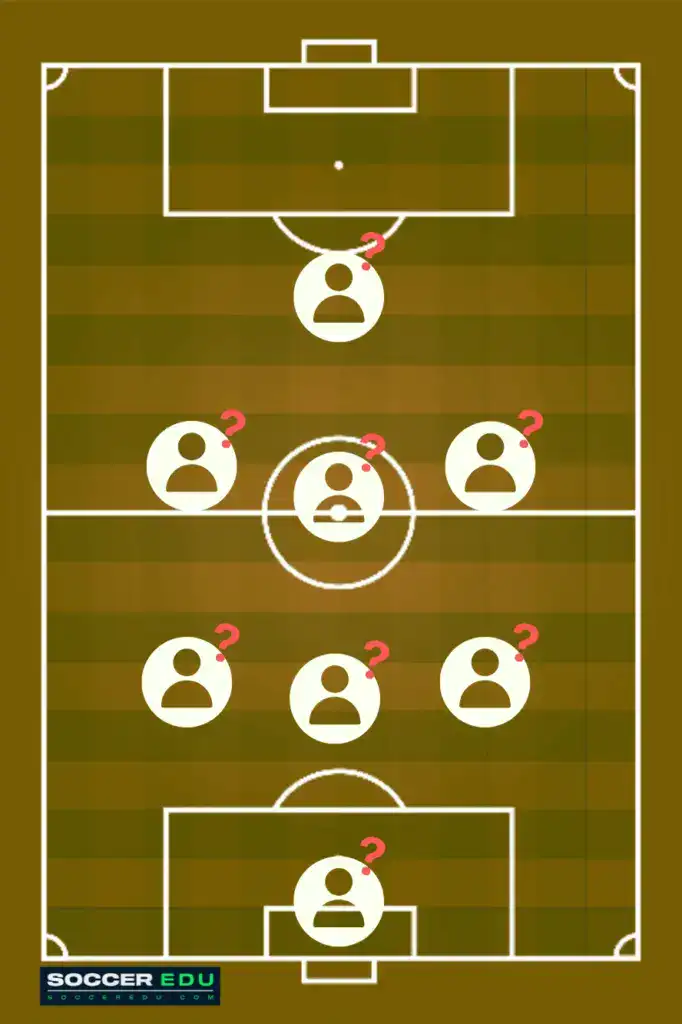
8-a-Side Development Lineup
Design a formation prioritizing player development while maintaining competitive balance, ensuring all participants gain meaningful experience in multiple positions and tactical roles.
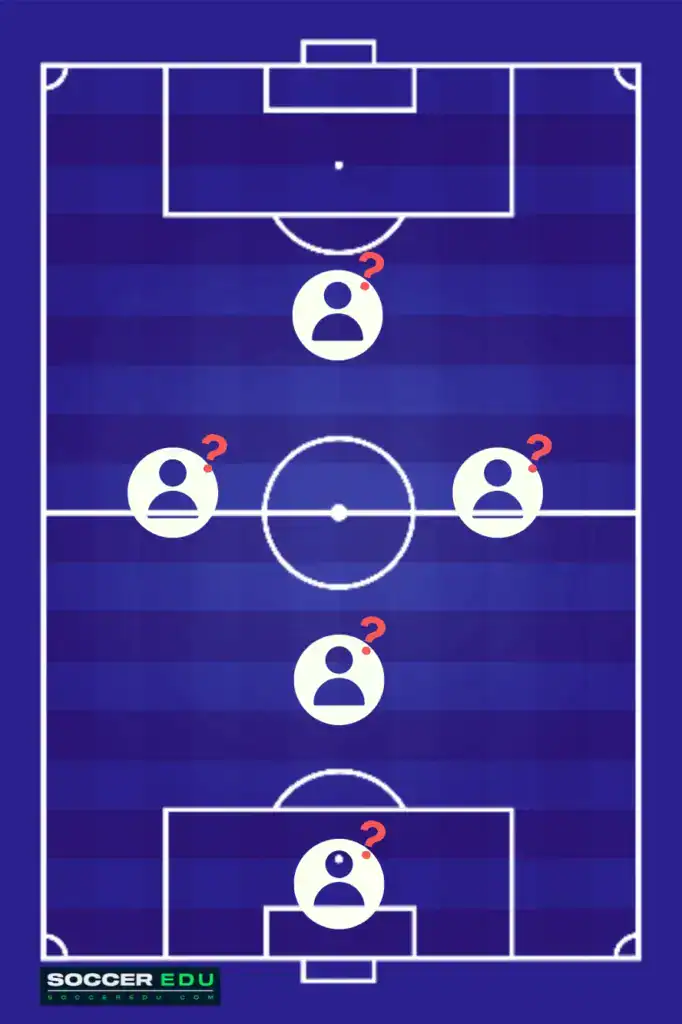
5-a-Side Tactical Lineup
Select technically gifted players capable of quick decision-making and creative problem-solving in confined spaces, emphasizing ball retention and clinical finishing.
Elite Player Pool
Forwards:
- Cristiano Ronaldo
- Lionel Messi
- Kylian Mbappé
- Robert Lewandowski
- Erling Haaland
- Mohamed Salah
Midfielders:
- Kevin De Bruyne
- N’Golo Kanté
- Luka Modrić
- Bruno Fernandes
- Joshua Kimmich
- Marco Verratti
Defenders:
- Virgil van Dijk
- Sergio Ramos
- Trent Alexander-Arnold
- Andrew Robertson
- Kalidou Koulibaly
- Aymeric Laporte
Goalkeepers:
- Jan Oblak
- Alisson Becker
- Édouard Mendy
- Thibaut Courtois
- Manuel Neuer
- Marc-André ter Stegen
Strategic Implementation
Your tactical success depends on selecting players whose attributes complement your chosen formation and tactical approach. Consider positional compatibility, tactical intelligence, and work rate when making selections. Whether implementing a high-pressing 4-3-3, a defensive 5-4-1, or a possession-based 4-2-3-1, ensure your personnel can execute the tactical demands consistently throughout matches.
Remember that formations provide structural guidance, but player movement, tactical discipline, and adaptive decision-making ultimately determine tactical success on the pitch.