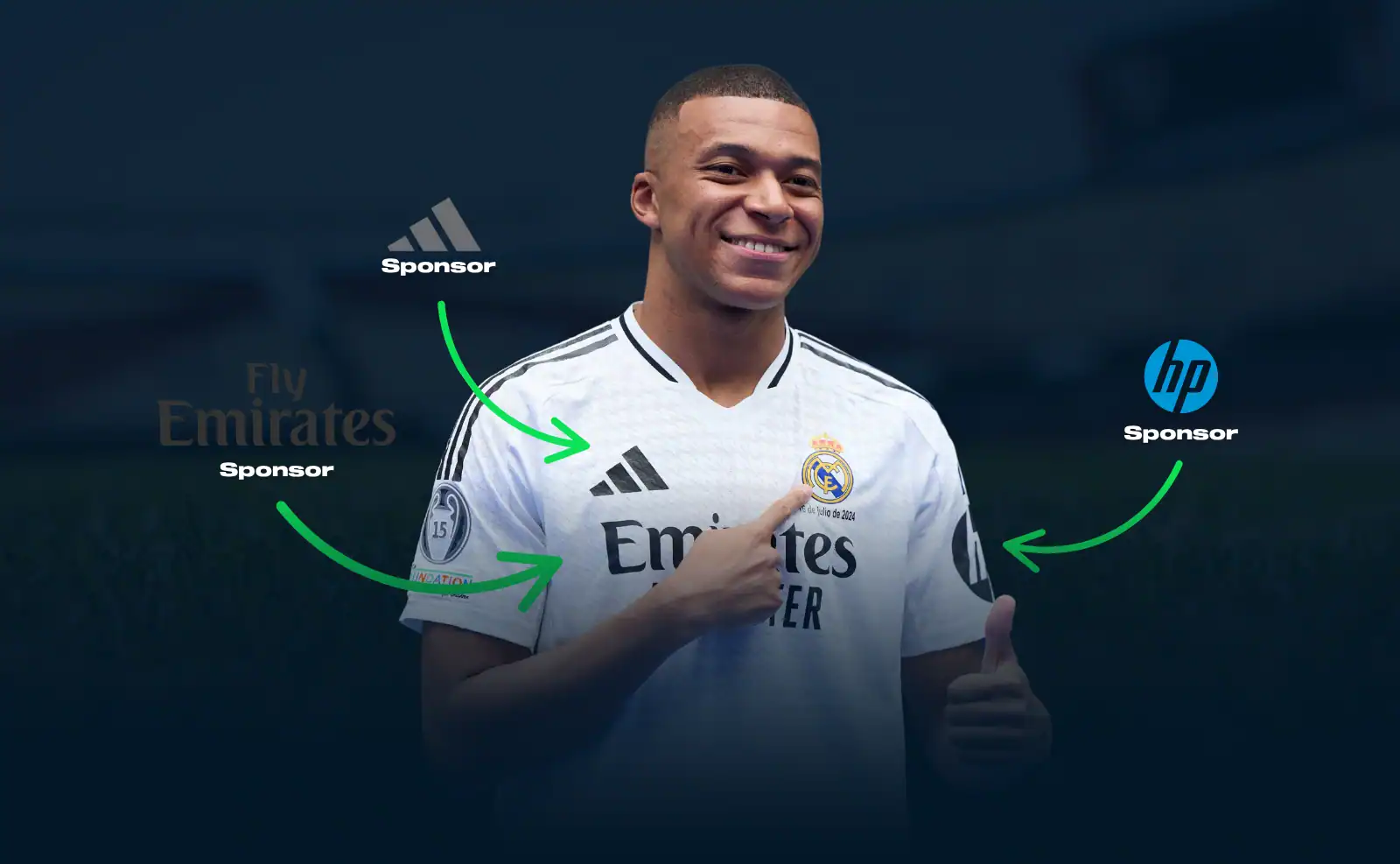
Whether for professional sides or grassroots clubs, soccer sponsorship represents far more than just funding—it’s a strategic collaboration with a partner company. Often challenging to establish, here’s how to successfully secure a sponsor as a club, what these partnerships entail, and how to maximize your chances of success.
Globally, the sports sponsorship market is valued at approximately $70 billion, with soccer commanding the largest share of this investment.
What Is Soccer Sponsorship?
Soccer sponsorship refers to strategic partnerships between clubs and companies that provide financial or material support in exchange for brand visibility and promotion of their products or services. These arrangements have evolved from simple jersey logos to comprehensive commercial partnerships that encompass multiple touchpoints.
Different Types of Soccer Sponsorship
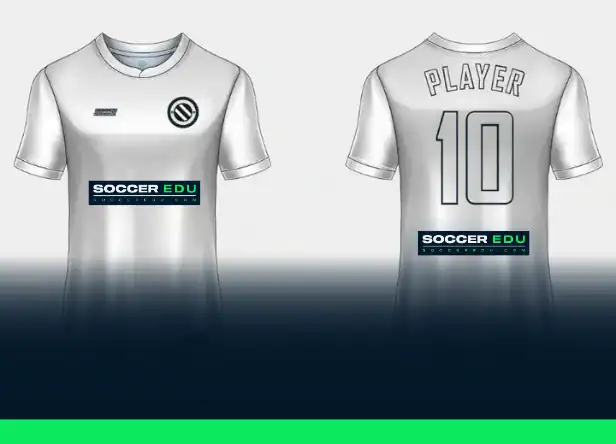
Modern soccer sponsorship encompasses various partnership opportunities beyond traditional shirt sponsorship. Here are the primary sponsorship categories available to players and clubs:
Shirt Sponsorship (Jersey Partnership)
The most visible form of sponsorship, featuring prominent logo placement on the front of match jerseys.
Stadium Naming Rights
Long-term agreements where sponsors’ names replace or are added to venue titles, such as the Etihad Stadium or Emirates Stadium.
Kit Supplier Partnerships
Comprehensive deals with sportswear manufacturers covering all team apparel and merchandise.
Event Sponsorship
Support for specific matches, tournaments, or club events.
Digital Partnership
Collaboration across social media platforms, websites, and digital content creation.
Fan Engagement Initiatives
Interactive experiences, competitions, and community activities.
Corporate Social Responsibility Partnerships
Collaborations supporting community causes and social impact programs.
Official Supplier Agreements
Partnerships with companies providing specific products or services to the club.
Training Ground Sponsorship
Less visible but valuable partnerships featuring logos on training kits and facilities.
The global sports sponsorship market reaches $70 billion annually, with private sports sponsorship in the United States alone representing nearly $8 billion per year.
How to Secure a Soccer Sponsor?
Finding the right partner requires strategic planning rather than simply requesting funding—it’s about establishing mutually beneficial relationships.
Securing Sponsorship in Soccer
Successful soccer sponsorship isn’t merely about asking for financial support—it’s about creating genuine win-win partnerships. This requires preparing a comprehensive sponsorship proposal.
An effective sponsorship proposal transcends basic organizational presentation—it’s a compelling document demonstrating how partnerships benefit both parties. Essential elements include:
- Brand Visibility through logo placement on kits, matchday signage, digital platforms, and stadium branding.
- Club Benefits including improved equipment, facility upgrades, or youth development program support.
- Long-term Partnership built on mutual commitments rather than short-term transactional relationships.
How to Get Sponsorship for Amateur Soccer? Securing Sponsorship for Grassroots Soccer
Contrary to the idea that only professional clubs attract investments, sponsorship in North American soccer relies heavily on grassroots and community clubs.
More than 60% of grassroots sponsorship deals come from local businesses and regional companies that want to promote their brands to an engaged, community-based audience. This proves that grassroots sponsorship plays a crucial role—not only in supporting grassroots soccer but also in offering sponsors authentic visibility with families, players, and supporters.
The investment amounts remain accessible: the vast majority of grassroots deals are under $100,000 per year, while only about 2% of contracts exceed one million. This shows that the market remains open to medium and small businesses, not just large corporations.
Additionally, less than 20% of soccer sponsorship investments go to professional teams, confirming the major role of grassroots clubs in the ecosystem and their importance in local communities.
To secure grassroots sponsorships, focus on approaching local businesses, preparing a tailored sponsorship proposal that emphasizes exposure during events, on the club’s social media, and community-building around the sponsor’s brand. This local dynamic creates countless opportunities for grassroots clubs across the U.S. and explains the strong vitality of grassroots sponsorship nationwide.
Who Are the Biggest Soccer Sponsors? Leading soccer Sponsors
Major sponsors have become synonymous with top-tier soccer, appearing on jerseys, training kits, and staff apparel. Clubs like PSG, FC Barcelona, Real Madrid, and LA Galaxy have secured partnerships with industry leaders including Nike, Adidas, Emirates, Qatar Airways, and Herbalife.
These partnerships generate substantial revenue streams, enabling clubs to fund sporting projects and infrastructure development.
Examples of major sponsors in World Soccer:
- Emirates: Main sponsor of Arsenal FC and AC Milan, with high visibility on jerseys and stadium naming rights.
- Nike: Official supplier of PSG and FC Barcelona, outfitting several of the world’s top clubs with long-term deals.
- Qatar Airways: Main sponsor of PSG since 2022, with a multi-year partnership valued at around €60–70 million per season.
How Much Does Soccer Sponsorship Cost? Soccer Sponsorship Investment Levels
As you might expect, sponsorship costs depend mainly on the club, its visibility, and the benefits it can offer the partner.
For grassroots teams, jersey sponsorship can start at just a few hundred dollars per season, depending on team size and local audience reach.
Professional club partnerships command substantially higher investments. Jersey sponsorship contracts with elite clubs like PSG or Real Madrid can reach tens of millions of euros annually.
Examples of professional and grassroots jersey sponsorship deals:
| Club | Jersey Sponsorship | Estimated Annual Value |
|---|---|---|
| PSG (2022–2028) | Qatar Airways | €70M |
| Real Madrid (2022–2028) | Fly Emirates | €70M |
| Chelsea FC (2024–2025) | Infinite Athlete | €47.3M |
| LA Galaxy (2023–2027) | Herbalife | €7M |
| grassroots clubs | Local sponsors | €500–10,000 |
How to Contact Sponsors? Approaching Potential Sponsors
Reaching out to sponsors is more than just sending random requests. As mentioned, the starting point is preparing a sponsorship proposal. Once that’s ready, the key steps for securing partnerships include:
- Develop Your Sponsorship Proposal: Highlight club strengths and potential sponsor benefits clearly and professionally.
- Personalize Each Approach: Tailor proposals according to company sectors and target audiences—each sponsor has unique objectives.
- Initiate Conversations: Contact companies directly, particularly those with existing sports sponsorship involvement. Utilize professional and personal networks for initial connections. Direct outreach via phone or email often proves more effective than cold submissions.
- Formalize Partnership Agreements: After generating interest, establish formal contracts detailing mutual commitments, partnership duration, benefits (visibility, logo rights, etc.), and measurable objectives. This documentation ensures clarity and prevents future misunderstandings.
Difference Between Sponsorship and Patronage
Although similar at first glance, sponsorship and patronage (or “mecenat” in French) are very different forms of financial support.
- Patronage: Charitable donations without direct commercial return, primarily for philanthropic purposes. Patrons support causes or projects without expecting brand visibility or promotional benefits.
- Sponsorship: Commercial partnerships where companies provide financial support in exchange for brand visibility and promotional opportunities. This represents strategic marketing connecting company image with teams or events.
Both approaches provide financial support, but their strategic implications and expected returns differ significantly.
Sponsorship in Soccer: Essential Insights
Soccer sponsorship extends far beyond professional clubs. Grassroots clubs possess genuine potential for attracting sponsors, dispelling the misconception that only elite clubs benefit from commercial partnerships.
With comprehensive sponsorship proposals, effective business communication, and clear partnership agreements, any club can establish mutually beneficial sponsor relationships. The key lies in demonstrating value, building authentic connections, and maintaining professional standards throughout the partnership development process.
Success in soccer sponsorship requires understanding that modern partnerships transcend simple financial transactions—they represent strategic alliances that can transform clubs at every level while providing sponsors with meaningful engagement opportunities within passionate soccer communities.