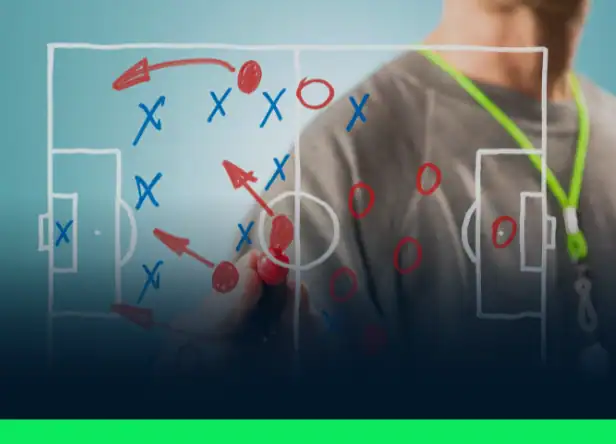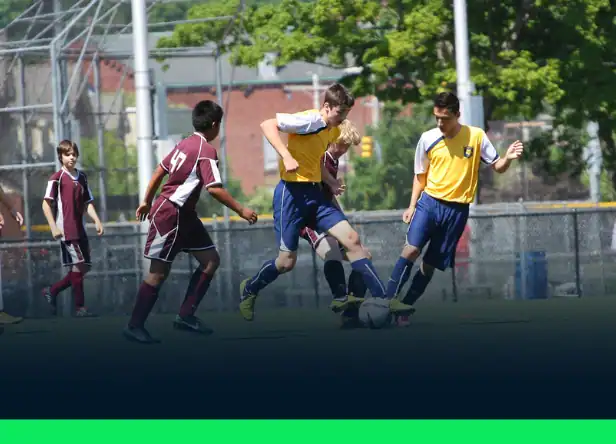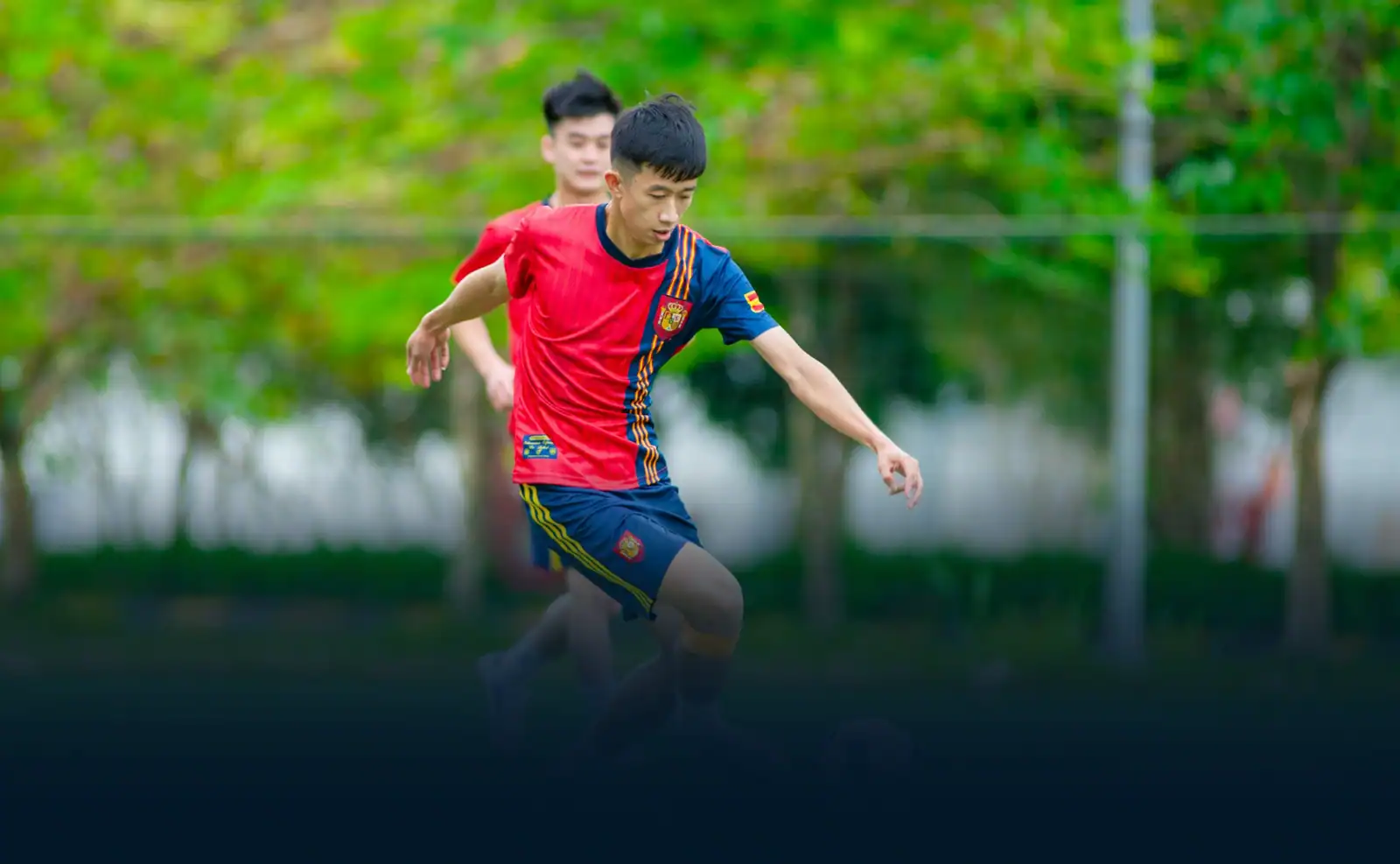
Technical ability underpins outstanding performance in soccer. One could clearly affect match results with a composed first touch, accurate pass, or deft dribble. Deliberate practice and regular repetition, though, only help to grow and hone these essential abilities.
Whether you are teaching grassroots soccer, raising elite players, or improving your own game, this thorough resource offers a curated collection of verified soccer technical drills fit for all levels. You’ll find training styles for personal skill growth, tiny group meetings, and whole team exercises together with expert advice on incorporating them into organized training plans.
The Fundamentals of Effective Technical Training
Before exploring specific exercises, it’s crucial to understand the principles that make technical drills genuinely effective. Three core elements distinguish quality coaching:
- Repetition with Purpose: Technical mastery emerges from consistent, focused repetition rather than sporadic intensive sessions. Each touch should have intent and meaning.
- Progressive Difficulty: Begin with controlled environments emphasizing proper technique, then gradually introduce pace, pressure, and complexity as competency develops.
- Contextual Application: Elite coaches systematically add game-realistic elements, ensuring players can transfer skills from the training ground to match situations.
Foundation Technical Drills for All Levels
These cornerstone exercises benefit players across all skill levels, reinforcing essential ball mastery fundamentals.
Drill 1: Pass and Receive in Pairs
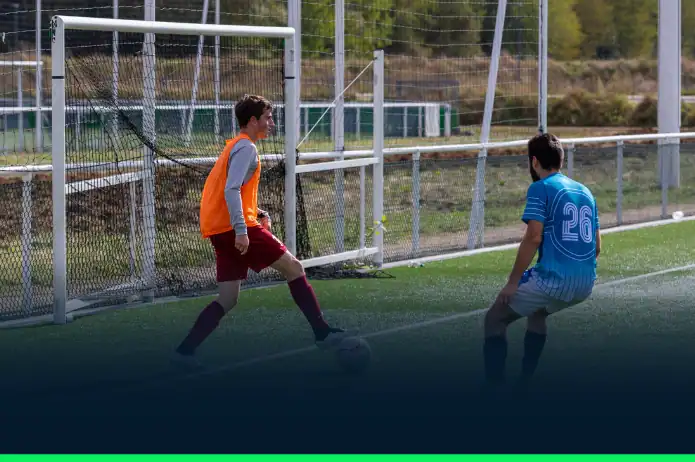
Focus: First touch and passing accuracy under varying conditions
Position players 5–8 meters apart. One player delivers a pass, the receiver controls with a quality first touch and returns possession. Emphasize different receiving surfaces (inside foot, outside foot, both feet) and vary pass weight from gentle to firm.
Progression: Introduce directional first touches to simulate receiving under pressure, or implement touch restrictions (two-touch maximum).
Coaching Point: Encourage constant communication and scanning before receiving to develop match awareness.
Drill 2: Cone Weaving with Ball Mastery

Focus: Close control and agility with the ball
Arrange 6–8 cones in a straight line, spaced 1.5–2 meters apart. Players dribble through the sequence at maximum speed while maintaining complete ball control.
Progression: Alternate between dominant and weaker foot, or incorporate specific moves (step-overs, cuts, drag-backs) at designated cones.
Coaching Point: Time each run to add a competitive element, but never compromise technical quality for speed.
Intermediate Soccer Technical Development
Once players demonstrate consistent basic technique, introduce dynamic elements and tactical constraints.
Drill 3: Triangle Passing with Movement
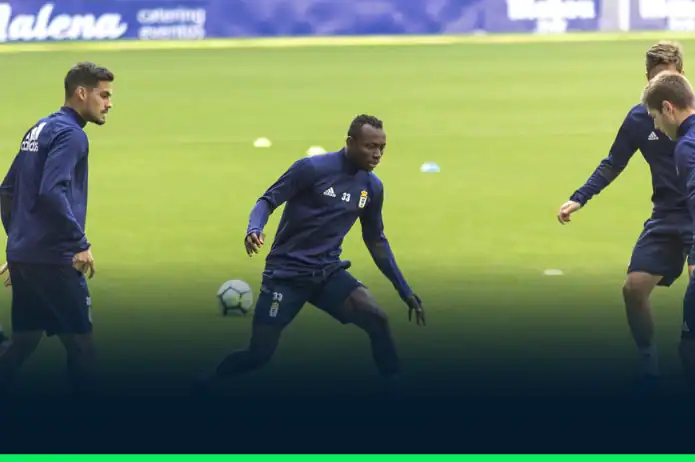
Focus: Passing accuracy, spatial awareness, and off-ball movement
Three players form a triangle approximately 8 meters apart. Execute short passes followed by immediate movement to a new position, maintaining possession flow. This exercise develops peripheral vision, passing accuracy under movement, and coordinated team play.
Progression: Add a passive defender to increase decision-making pressure and encourage quicker ball circulation.
Coaching Point: Emphasize the quality and timing of supporting runs, creating genuine passing angles rather than token movement.
Drill 4: Dribbling to Shooting Combination
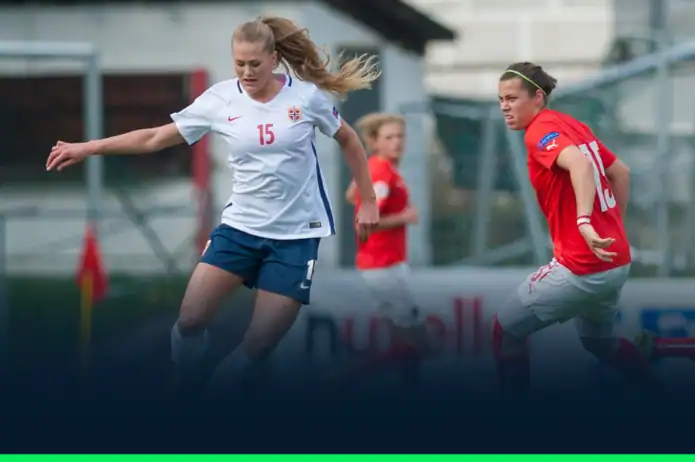
Focus: Ball control under pressure leading to clinical finishing
Players dribble through three cones representing defenders, exit the designated area, and attempt to score within two touches. This integrates close control with composure in front of the goal.
Progression: Mandate specific dribbling techniques (Cruyff turn, stepovers, body feints) before the finish, or add time pressure.
Coaching Point: Encourage players to lift their heads before shooting, simulating match conditions where awareness is crucial.
Advanced Soccer Technical Training
Elite-level players require exercises that combine technical excellence with rapid decision-making under pressure.
Drill 5: Possession Rondo Under Pressure
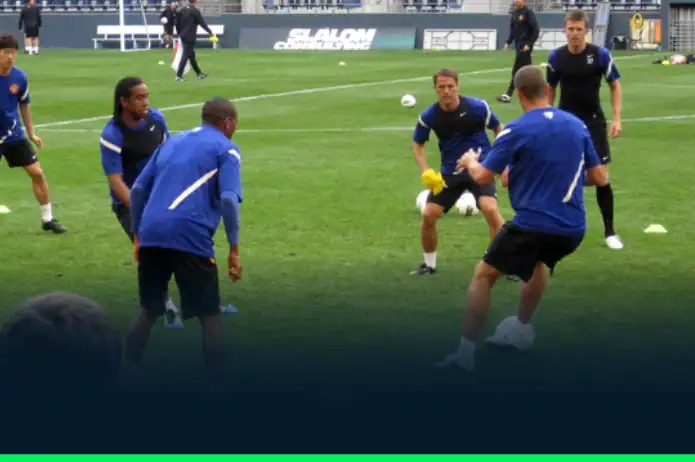
Focus: Technique retention under defensive pressure
Create an 8×8 meter square with three players maintaining possession on the perimeter against one central defender. The defender actively attempts to regain possession while attackers are limited to two touches maximum.
Progression: Reduce the playing area or add a second defender to intensify pressure and demand quicker technical execution.
Coaching Point: Focus on body positioning and communication, using the entire body to shield the ball effectively.
Drill 6: Aerial Ball Control and Distribution

Focus: Managing difficult deliveries and accurate distribution
A coach or teammate delivers various aerial services (hand-thrown or driven from foot). Players must control cleanly within two touches, then distribute accurately to designated targets.
Progression: Vary service types (high balls, driven crosses, bouncing deliveries) to replicate diverse match scenarios.
Coaching Point: Teach players to relax upon ball contact, using their entire body as a cushion to absorb impact effectively.
Sample Training Session: Progressive Technical Development
Here’s an example of a session plan structured to gradually build technical ability:
| Phase | Duration | Content |
|---|---|---|
| Technical warm-up | 10 min | Free dribbling, juggling, simple passing |
| Fundamentals | 15 min | Passing-control in pairs, slalom dribbling |
| Dynamic work | 20 min | Triangle passing & movement, dribbling + finishing |
| Small-sided game | 15 min | Rondo under pressure or themed technical scrimmage |
| Cool-down | 5 min | Stretching, breathing |
Adapting Drills by Age and Level
Technical training must be tailored to developmental stages and individual capabilities for optimal progress.
- Youth Development (U9–U11): Prioritize enjoyable ball-focused activities with shorter attention spans (30–45 second intervals) to maintain engagement and learning effectiveness.
- Adolescent Players (U13–U15): Introduce coordination challenges and positional awareness while maintaining high repetition volumes for skill consolidation.
- Senior Level (U17+): Utilize confined spaces and active opposition to bridge the gap between training and competitive match intensity.
- Adult Beginners: Establish fundamental passing and receiving skills before progressing to speed or defensive pressure elements.
Common Technical Training Pitfalls
Even well-designed drills can lose their effectiveness if certain errors are not addressed. Starting with too sophisticated workouts is among the most prevalent problems; this may demotivate players and lower the standard of performance. Lack of feedback is another often occurring error. Bad habits rapidly become fixed and are more difficult to change later unless corrections are made right away. Another issue is the lack of diversity.
Progress of players slows down as they grow too at ease with the routine when they continually repeat the same drill. Finally, separating technical projects for too long could also be detrimental. Technique should always be connected to the real game so that players know how to use their skills in match situations.
Optimizing Technical Session Effectiveness: Tips
Successful technical development requires strategic session management. Adjust difficulty through space manipulation, touch restrictions, or execution tempo to match player capabilities. Consistency proves more valuable than intensity—ten minutes of daily technical work surpasses monthly intensive sessions. Incorporate ball work from the initial warm-up to establish immediate technical focus and session rhythm. Most importantly, provide real-time feedback through visual demonstration and verbal correction to prevent poor habits from developing. Video analysis can serve as a powerful supplementary tool for detailed technical refinement and long-term player development.
Key Takeaways
Effective technical soccer drills need clear objectives, suitable intensity, and sensible skill progression rather than just entertaining value. Whether teaching young players, senior teams, or aspiring still top priority are personal growth, consistency, and quality of execution. Regular integration of these structured exercises will develop more confident, technically proficient players able to express their abilities under competitive pressure.