Are you a soccer coach or educator looking to learn how to train your young U7 players?
In this article, we’ll present seven key steps to help young soccer players under 7 progress.
By putting these tips into practice, you’ll help children improve their technique, coordination, and understanding of the game, all within a fun and age-appropriate environment.
What Is the U7 Soccer Category?
The U7 soccer category is specifically designed for children under 7 years old who are beginning their competitive soccer journey and just before this stage comes the U6 category. At this foundational age, young players are encouraged to develop their first touch and ball mastery, improve their coordination and balance, and build a basic understanding of soccer principles and positioning. Training sessions for U7 players are designed to be enjoyable and interactive, prioritizing play-based learning, fun competition, and skill development through game-oriented activities.
The soccer drills and activities are carefully tailored to each child’s skill level and developmental stage, ensuring that every player can progress at their own pace without feeling overwhelmed or left behind. This is a critical stage in a young player’s development—the foundational years when children start building the solid technical and tactical foundations that will support their progression through older age categories such as U8, U9, and beyond.
1. Create a Fun and Stimulating Environment for Your U7 Players
A positive and engaging learning environment is essential for developing soccer skills in U7 children. As a coach, you should provide high-quality, welcoming, and genuinely encouraging instruction where young players feel comfortable taking risks, making mistakes, and expressing their natural creativity on the field.
Design fun and interactive training sessions that emphasize enjoyment, participation, and experiential learning rather than rigid competition or performance pressure. Structure drills so that every player gets plenty of touches on the ball and opportunities to succeed. Actively encourage players to explore different techniques, experiment with new movements, and discover what works best for their individual playing style. This approach builds self-confidence and helps players feel secure and motivated during soccer training.
Remember that U7 players are still developing their love for the game—your role as a coach is to make every session enjoyable so they want to come back. Celebrate effort and improvement, not just successful outcomes, to foster a growth mindset from an early age.
2. Develop Basic Technical Skills in Your U7 Players
Technical skill development forms the foundation of all future soccer ability. Dedicate significant training time to developing core fundamentals including first touch and ball control, dribbling technique, accurate passing, and basic shooting mechanics. Use progressive, sequential exercises that are appropriately scaled to their developmental level, allowing players to master each fundamental skill at their own pace before advancing.
Emphasize repetition and consistent practice to reinforce learning and build muscle memory. Because children in the U7 age group learn primarily through observation and imitation, demonstrate each technique clearly and methodically—showing proper foot positioning, body shape, and follow-through—then allow players to practice the skill in a low-pressure setting.
Break complex movements into smaller, manageable steps. For example, when teaching the inside-of-the-foot pass, isolate the passing motion first before combining it with movement and decision-making. This scaffolded approach prevents frustration and builds confidence as players experience incremental success.
3. Encourage Team Play and Cooperative Soccer Among Your U7 Players
Soccer is fundamentally a team sport, making it essential to introduce U7 players to collaborative principles and cooperative play from their earliest involvement in the sport. Focus on developing communication skills, encouraging cooperation among teammates, and helping players understand basic roles and responsibilities on the field.
Actively encourage players to share possession by passing the ball, move intelligently without the ball to create passing options, and anticipate their teammates’ movements and positioning. Emphasize the importance of supporting teammates, providing passing options, and building cohesion as a unit.
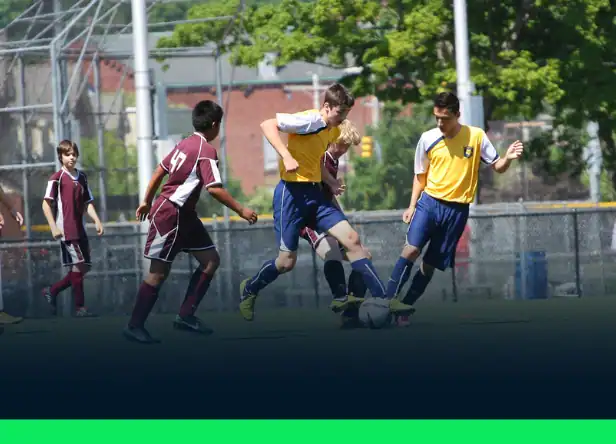
Structure small-sided games and practice activities that naturally encourage passing and combination play rather than solo dribbling. Games like three-vs-three or four-vs-four create more frequent ball touches, decision-making opportunities, and natural scenarios where passing becomes the most effective option. As a coach, reward smart decision-making and helpful off-ball movement to reinforce team-oriented play.
4. Foster Basic Tactical Understanding in Your U7 Soccer Players
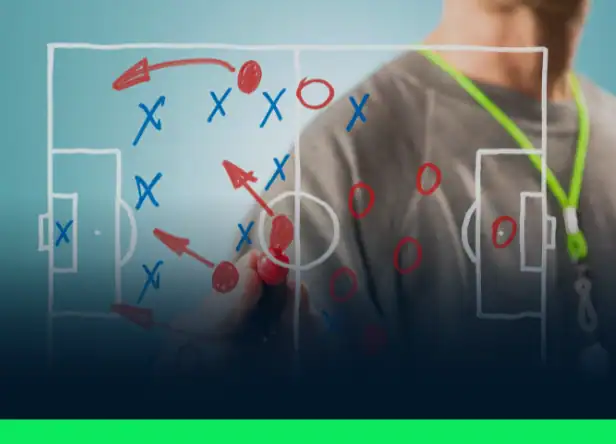
Even at a young age, it’s important to introduce U7 players to a basic tactical understanding of the game. Explain simple concepts such as positioning, support, and movement without the ball.
Use small-sided games to let them experience these tactical ideas in a practical way.
For example, organize mini-matches where children have to work together to score goals.
This helps them develop their sense of positioning, vision of the game, and teamwork awareness.
5. Encourage Creativity and Decision-Making in Your U7 Soccer Players
Soccer is a sport that encourages creativity and quick decision-making.
Soccer is a dynamic sport that rewards creativity, problem-solving ability, and quick decision-making. In the U7 category, give children the freedom and encouragement to express their creativity on the field by allowing them to experiment with different solutions and approaches during training sessions and small-sided games.
Create opportunities for players to make independent decisions and solve problems on their own without constant coaching intervention. Offer unstructured free play exercises where they can explore various technical options, take calculated risks, and discover their individual strengths and preferences. This autonomy builds confidence in their abilities and develops their capacity to read game situations and respond appropriately.
Encourage U7 players to try different techniques, movements, and approaches to discover what works best for them individually. Some players may become skilled dribblers, while others may excel at passing or positioning—recognizing and celebrating these differences helps each child develop their unique playing style.
6. Promote Sportsmanship and Commitment Among U7 Soccer Players
The social and emotional development of U7 players is equally important as their technical, tactical, and creative development. Youth soccer provides an ideal environment for teaching character values and interpersonal skills that will benefit players throughout their lives.
Consistently encourage positive sportsmanship, respectful communication, and constructive engagement toward teammates, opponents, coaches, and officials. Highlight the importance of respect, honesty, integrity, and mutual support both on and off the field. Model these behaviors consistently, as young players learn largely through observation and imitation of adult role models.
Organize activities and discussions that reinforce fair play values and sportsmanship principles. Encourage children to celebrate the achievements of all players—whether from their own team or the opposing team—and recognize that losses provide valuable learning opportunities. Help players understand that how they conduct themselves is just as important as their performance.
7. Vary U7 Soccer Training Exercises and Activites consistently
To maintain engagement, prevent boredom, and sustain motivation throughout the season, it’s essential to vary your training exercises and activities. Offer a diverse mix of technical drills, tactical small-sided games, and fun challenges that keep sessions fresh and exciting.
Introduce training equipment and props such as cones for dribbling courses, hoops for footwork drills, and mini-goals to add visual variety and spark imagination. These tools create different challenges and help maintain players’ enthusiasm and focus during practice.
Structure sessions with a logical progression: warm-up activities with the ball, technical skill work in small groups, tactical games with moderate structure, and free play to finish on a positive note. This variety maintains energy levels and addresses multiple aspects of player development within each session.
U7 Soccer: A Necessary Transition for Young Players
As U7 players develop and progress, it’s important to gradually prepare them for the transition to higher age categories such as U8 or U9. These transitions involve changes in field dimensions, game rules, team formations, and tactical complexity—all requiring thoughtful coaching support.
Support players’ adaptation by gradually introducing new tactical concepts, emphasizing technical and physical development appropriate for slightly older age groups, discussing the importance of proper nutrition and hydration for young athletes, and encouraging players to accept greater responsibility and leadership opportunities on the field.
By helping U7 players navigate these transitions successfully, you support their continued growth as capable, confident, and well-rounded soccer players.
Conclusion
By providing U7 players with the seven coaching strategies outlined above—establishing a fun and supportive environment, delivering age-appropriate activities and exercises, and balancing technical skill development with tactical awareness, creative expression, and character development—you’ll help them build a comprehensive foundation for sustained soccer development and progression.
Always maintain focus on enjoyment and genuine engagement, as this approach nurtures their intrinsic love for the game and motivates them to continue improving throughout their soccer careers. As a coach, make the most of this critical developmental stage to cultivate their lifelong passion for soccer and help them become both skilled and well-rounded players.