If you’ve landed on this article, chances are you already know a bit about soccer and some of its most famous positions. As you delve deeper into the beautiful game, you’ll discover that each position on the pitch carries its own unique importance, and that significance shifts depending on the tactical system employed by the manager.
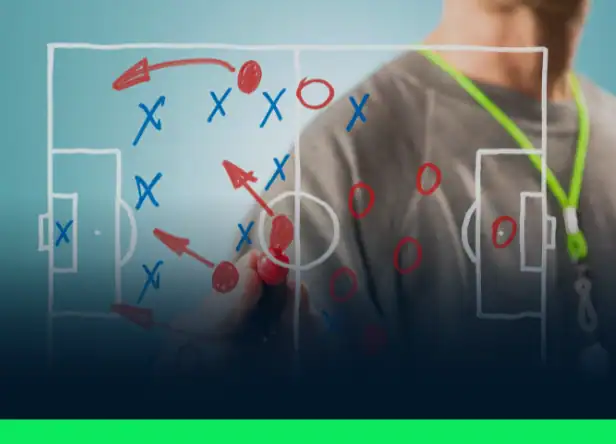
Whether it’s a 4-4-2, 4-3-3, 3-5-2, or 4-2-3-1, every formation highlights specific roles based on positioning and tactical responsibilities. The game has evolved dramatically, with positions becoming increasingly fluid and multi-dimensional. Today’s full-backs must attack with the intensity of wingers, while strikers are expected to press relentlessly and drop deep to link play.
In this complete guide, we’ll explore all the soccer positions, the traditional numbers associated with each, and the tactical systems that bring them to life.
What Are the Main Soccer Positions?
Each of the 11 players on the field has a specific role and responsibility that changes depending on the team’s tactical approach. Traditionally, each position is identified by a number on the back of the player’s jersey that corresponds to their function on the field.
The manager’s job is to orchestrate every position to work together in perfect harmony, creating a cohesive unit capable of both defending and attacking effectively.
“If you choose the best players for every position, you won’t have a good team — you’ll have eleven number ones.” — Johan Cruyff
Here’s an overview of the main soccer positions and their traditional squad numbers:
- Goalkeeper (No. 1)
- Full-backs (Nos. 2 and 3)
- Center backs (Nos. 4 and 5)
- Defensive midfielder (No. 6)
- Central midfielder (No. 8)
- Wingers (Nos. 7 and 11)
- Attacking midfielder (No. 10)
- Striker / Center forward (No. 9)
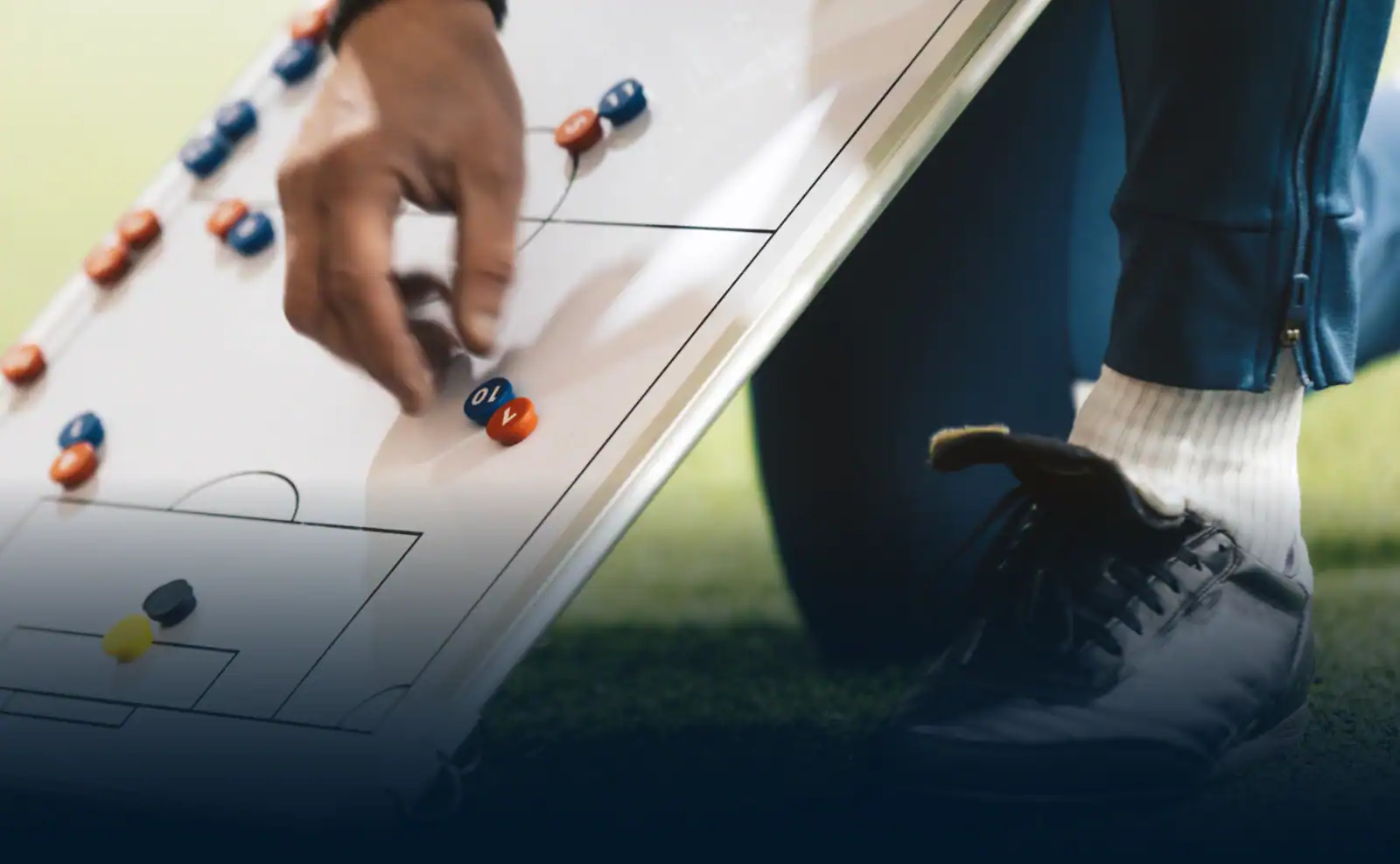
Formations are designed to organize these positions — but remember, a player’s role can vary dramatically depending on their individual qualities, playing style, and the manager’s tactical philosophy.
Understanding each position, its responsibilities, and how it fits into the team’s tactical structure is essential for anyone looking to truly appreciate the game. Let’s break down every position in detail, with examples of iconic players and tactical insights that define soccer tactics.
Number 1: The Goalkeeper
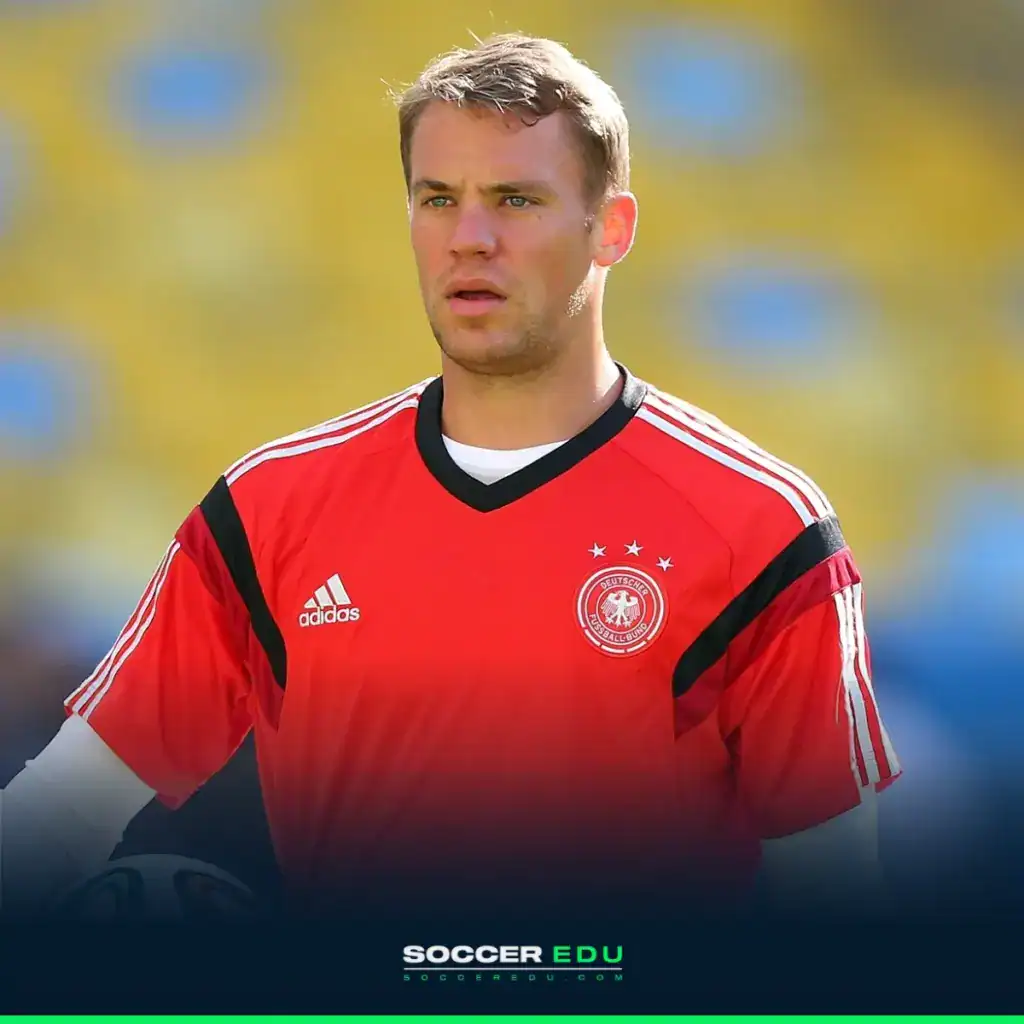
The goalkeeper, wearing the number 1, is often considered the last line of defense — and in many teams, even the captain.
It’s one of the most static positions on the field since the keeper must always remain close to the goal.
But this role goes beyond simply stopping shots. Modern goalkeepers are also sweeper-keepers, defensive organizers, and the first playmaker, responsible for initiating attacks through accurate distribution, sweeping behind a high defensive line, and even acting as an auxiliary outfield player when needed.
Tactical Example:
in a 4-4-2, the goalkeeper benefits from a stable four-man defensive line providing cover. In a 3-5-2, they must demonstrate greater alertness and positional awareness, compensating for fewer central defenders and often venturing further from goal to cover space in behind.
Key Qualities:
- Lightning-fast reflexes to deny shots from all angles
- Commanding communication with the defensive line
- Confidence and bravery when coming off the line to claim crosses
- Excellent distribution with both feet and hands to start attacks
- Ability to read through balls and sweep behind the defense
Iconic Player:
Manuel Neuer — who redefined the goalkeeper’s role by becoming a true “sweeper-keeper” in systems like Germany’s 4-2-3-1 regularly operating 20-30 yards from his goal to act as an extra defender.
Numbers 2 & 3: The Full-Backs
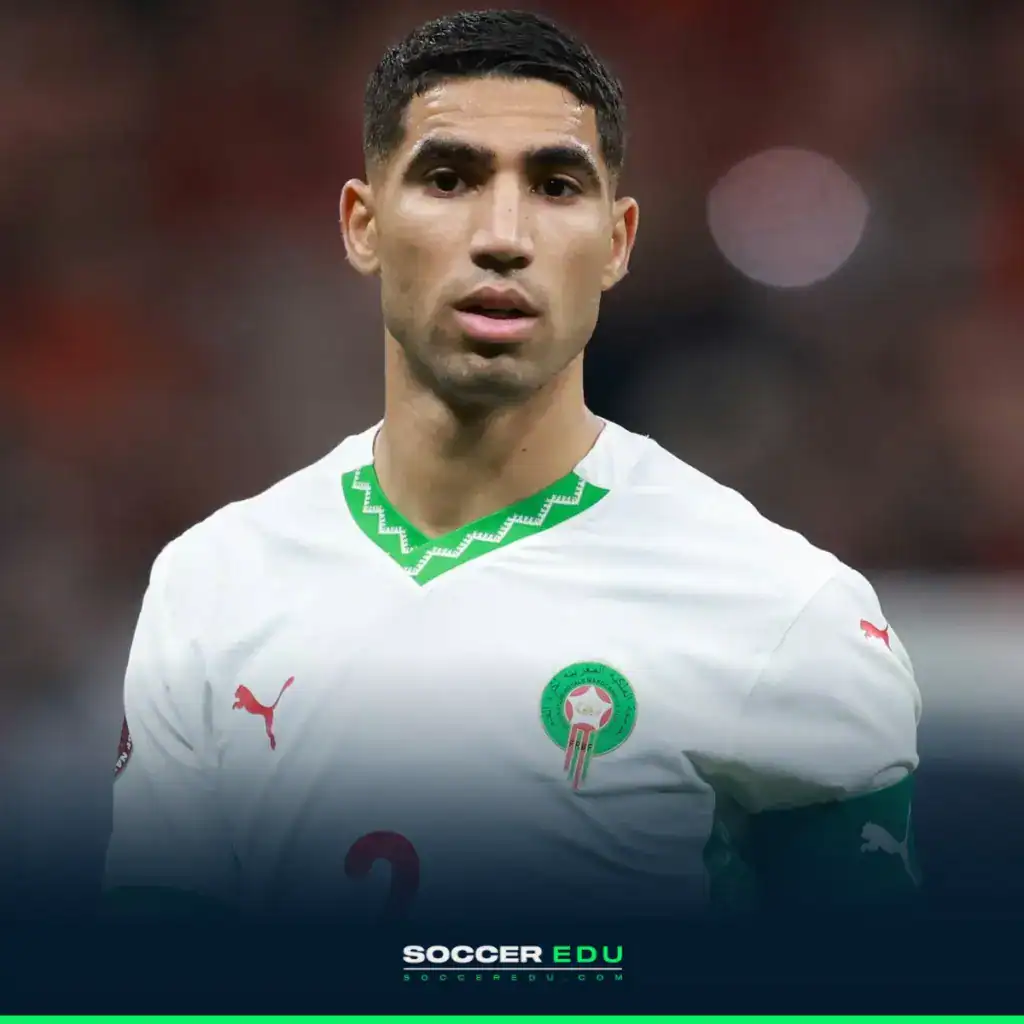
The right and left full-backs, wearing numbers 2 and 3, patrol the flanks of the pitch. Their primary job is defensive — tracking wingers, making crucial tackles, and providing width in the defensive line. However, in soccer, they’ve evolved into hybrid players who take on significant attacking duties, pushing forward to support wingers, deliver crosses, or even acting as wing-backs covering the entire flank.
In possession-dominant teams, full-backs have become essential creative outlets, with players like Trent Alexander-Arnold and João Cancelo registering assist numbers that rival traditional wingers.
Tactical Example:
In a 4-3-3, full-backs push high up the pitch to overlap with inverted wingers and create width, often finding themselves in advanced positions to deliver crosses or cut-back passes. In a 5-3-2, they transform into wing-backs, assuming responsibility for both attacking width and defensive stability along the entire touchline.
Key Qualities:
- Explosive speed to support counter-attacks and recovery runs
- Elite stamina for repeated high-intensity runs up and down the flank
- Accurate crossing ability from various positions
- Defensive awareness to win one-on-one duels
- Intelligence to time overlapping runs
Iconic Players:
- Cafu, the legendary Brazilian right-back in the 1990s 4-4-2 system
- Trent Alexander-Arnold, known for his extraordinary creativity, vision, and assist production in Liverpool’s attacking 4-3-3 under Klopp
Numbers 4 & 5: The Center Backs
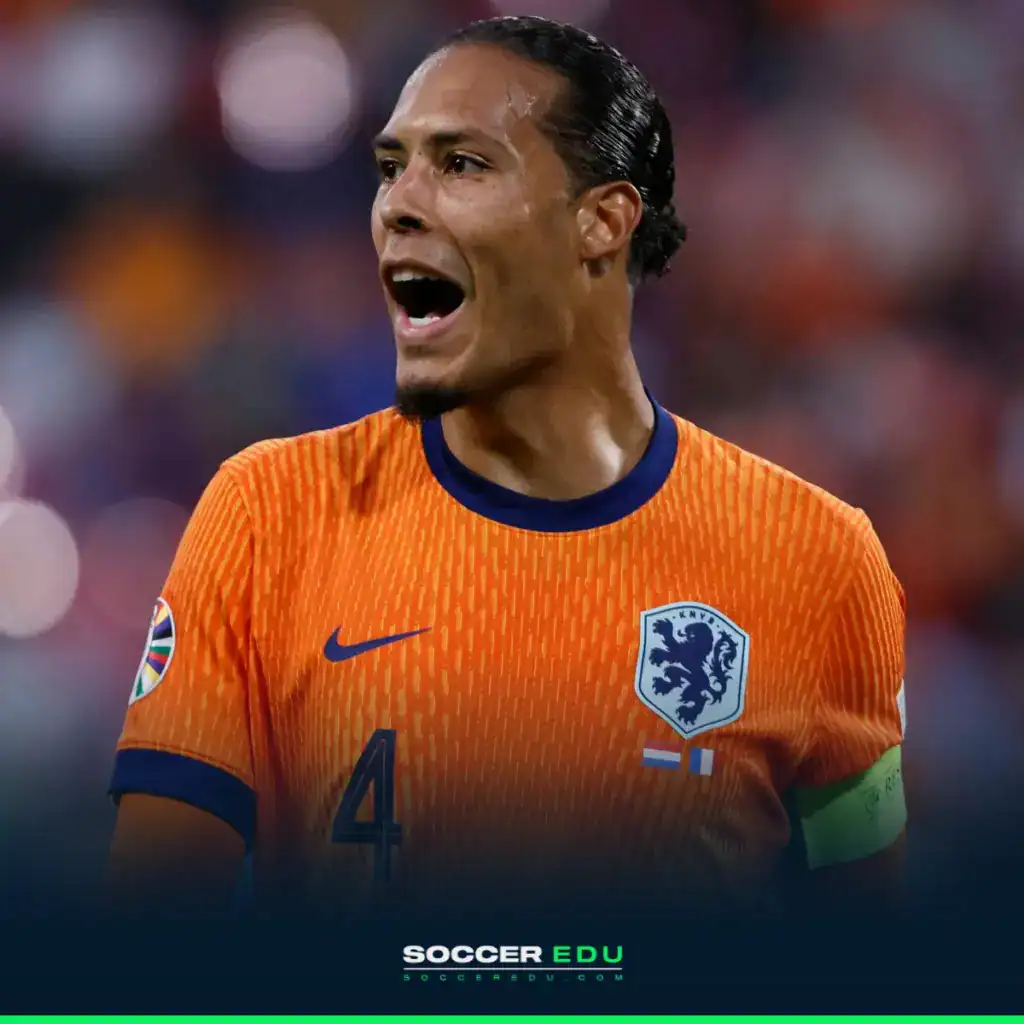
Center backs, wearing numbers 4 and 5, form the defensive backbone of any team. Depending on the tactical system, they might be referred to as stoppers (aggressive, physical defenders) or ball-playing center backs (defenders comfortable progressing the ball). Some systems still employ a libero or sweeper — a free defender who sweeps behind the defensive line.
Their main responsibilities include stopping opposition strikers, intercepting passes, winning aerial duels, and organizing the defensive line through constant communication.
Tactical Example:
In a 4-4-2, center backs maintain a compact, disciplined line with clear positional responsibilities. In a 3-5-2, they must demonstrate greater mobility, comfort on the ball, and willingness to cover for advancing wing-backs, often stepping into midfield to progress play.
Key Qualities:
- Physical strength and aerial dominance in duels
- Excellent positioning and anticipation of danger
- Ability to distribute the ball cleanly under pressure
- Strong tackling technique and timing
- Leadership and communication to organize teammates
Iconic Players:
- Paolo Maldini, a defensive legend in AC Milan’s 4-4-2
- Virgil van Dijk, the modern model of composure and power in Liverpool’s 4-3-3
Number 6: The Defensive Midfielder

The defensive midfielder, wearing the number 6, acts as the balance point of the team. Also called a holding midfielder or ball winner or pivot, this player shields the defense, breaks up opposition attacks, wins back possession, and connects the defensive line with the midfield and attack.
In possession-based systems, the No. 6 can also function as a deep-lying playmaker (or regista), dictating tempo and initiating attacks from deep positions.
Tactical Example:
In a 4-3-3, the No. 6 acts as a single pivot positioned in front of the defense, providing cover and enabling the two No. 8s to push forward. In a 4-2-3-1, they partner with another midfielder to form a double pivot, providing defensive stability and facilitating transitions between defense and attack.
Key Qualities:
- Exceptional tactical intelligence and positional awareness
- Ability to read the game and intercept passes
- Short and long-range passing to initiate attacks
- High stamina and work rate to cover ground
- Composure under pressure when receiving in tight spaces
Iconic Player:
N’Golo Kanté — the heartbeat of Chelsea’s 4-2-3-1, a master of recovery and transition.
Numbers 7 & 11: The Wingers
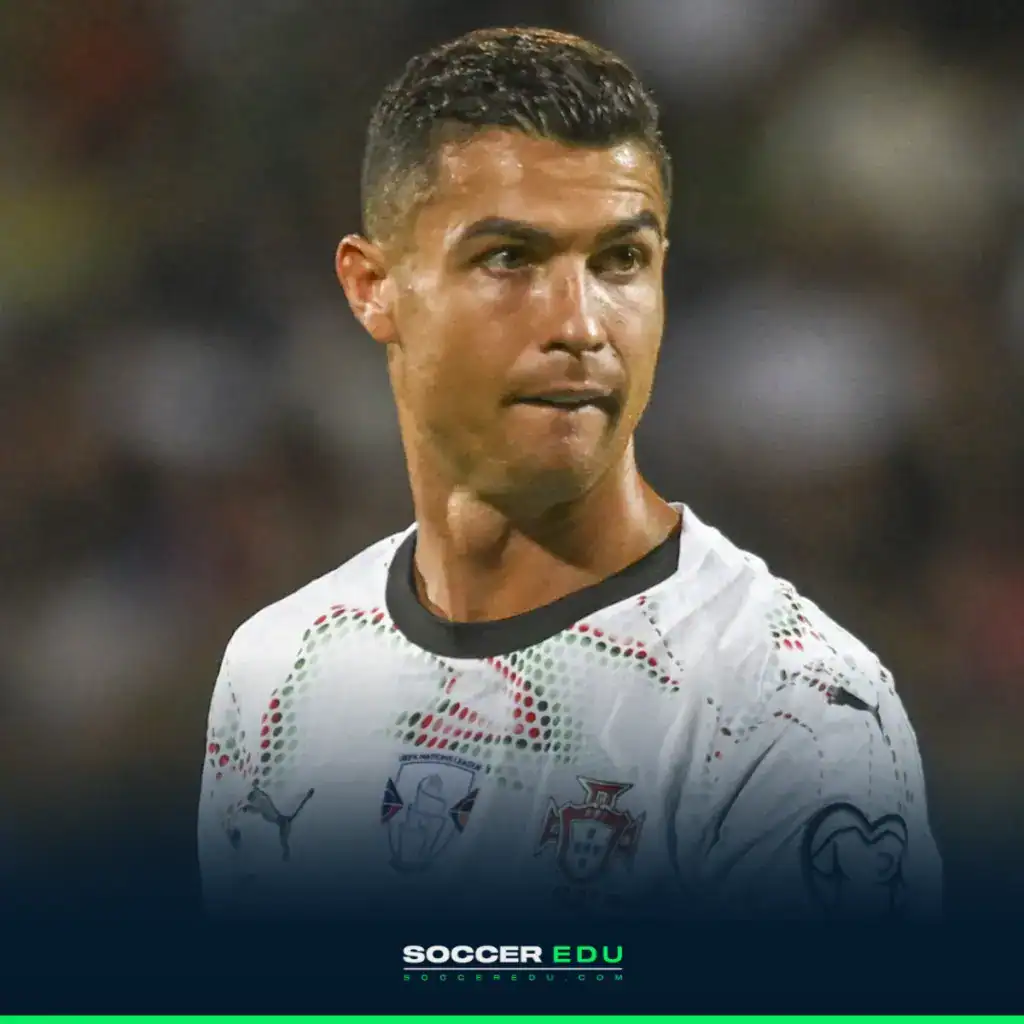
The wingers, wearing numbers 7 and 11, are the team’s creative spark on the flanks. Their mission: attack down the touchlines, deliver dangerous crosses, cut inside to shoot, and create goal-scoring opportunities. They can play as traditional wingers hugging the touchline or as inverted wingers — playing on the opposite flank and cutting inside onto their stronger foot.
In soccer, the inverted winger has become increasingly popular, with players like Mohamed Salah and Arjen Robben cutting inside to create shooting opportunities while full-backs provide width through overlapping runs.
Tactical Example:
In a 4-3-3, wingers stay high and wide to stretch defenses. In a 4-4-2, they track back more often, supporting their full-backs defensively.
Key Qualities:
- Blistering speed and explosive acceleration
- Elite dribbling ability and confidence in one-on-one situations
- Accurate crossing from various positions and angles
- Clinical finishing when cutting inside
- Versatility to play on either flank
Iconic Player:
Cristiano Ronaldo — the ultimate winger-forward hybrid in Real Madrid’s 4-3-3.
Number 8: The Central Midfielder
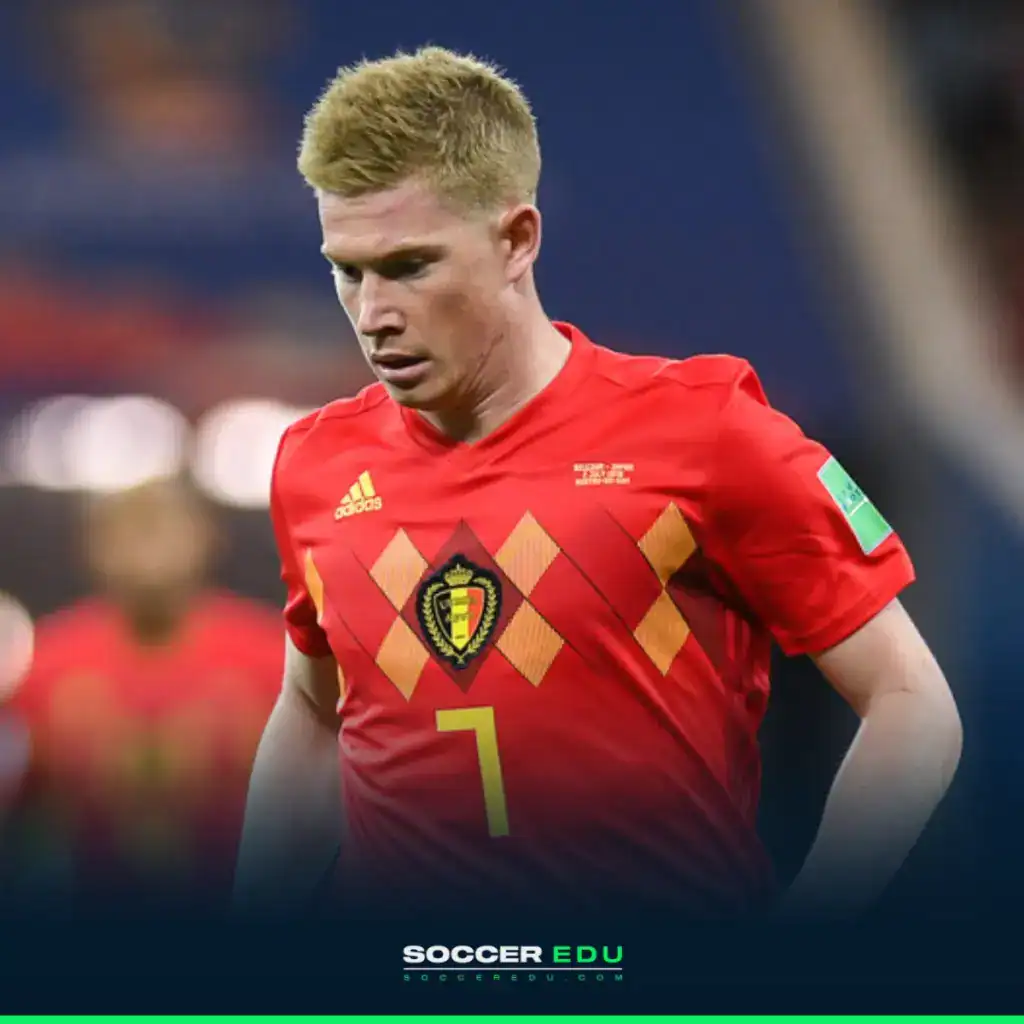
The central midfielder, wearing number 8, is the team’s engine — often referred to as a box-to-box midfielder. They support both defense and attack, covering huge distances and dictating tempo and contributing at both ends of the pitch.
Box-to-box midfielders must possess exceptional stamina, as they’re expected to make recovery runs in their own penalty area one moment, then arrive late in the opposition box to finish off attacks the next.
Tactical Example:
In a 4-4-2, the No. 8 alternates between defensive coverage and offensive support, often forming a partnership with the No. 6. In a 4-3-3, they may play further forward as one of two No. 8s, connecting with the attacking midfielder and making late runs into the box.
Key Qualities:
- Vision and tactical intelligence to dictate play
- Powerful shooting ability from distance
- Exceptional work rate and stamina to cover the entire pitch
- Defensive awareness and tackling ability
- Quality passing in both short and long ranges
Iconic Player:
Steven Gerrard — Liverpool’s inspirational leader in both 4-4-2 and 4-3-3 systems.
Number 9: The Striker / Center Forward

The center forward, wearing the number 9, is the team’s main goal scorer. Also known as the striker or target man or poacher, they play through the middle, positioned as the most advanced player with wingers on either side.
Strikers come in various profiles: the target man (tall, physical, excellent in the air), the poacher (instinctive finisher with excellent positioning), and the false nine (drops deep to create space and link play).
Tactical Example:
In a 4-3-3, the striker often plays alone up front but receives support from wide players cutting inside. In a 4-2-3-1, they benefit from the No. 10 operating directly behind them, providing key passes and creating space.
Key Qualities:
- Clinical finishing with both feet and head
- Intelligent positioning and movement to find space
- Physical strength to hold up play and bring teammates into attacks
- Ability to combine with attacking midfielders and wingers
- Composure in high-pressure situations
Iconic Player:
Robert Lewandowski — a clinical finisher in Bayern Munich’s 4-2-3-1.
Number 10: The Attacking Midfielder

The attacking midfielder, wearing number 10, is the creative heartbeat and playmaker of the team. They operate between the opposition’s midfield and defense, creating goal-scoring chances through incisive passes, dribbles, and shots from distance.
The No. 10 is perhaps the most romanticized position in soccer, with legendary players like Diego Maradona, Lionel Messi, and Zinedine Zidane making it iconic.
Tactical Example:
In a 4-2-3-1, the No. 10 plays just behind the striker, exploiting gaps between defensive lines to deliver through balls, take shots from distance, or drift wide to create overloads. Modern systems increasingly require No. 10s to contribute defensively as well, pressing opposition defenders and tracking back when needed.
Key Qualities:
- Exceptional creativity and dribbling flair
- Vision and precision passing to unlock defenses
- Shooting accuracy from various distances
- Ability to play in tight spaces under pressure
- Intelligence to find pockets of space
Iconic Player:
Diego Maradona — the ultimate attacking genius in fluid, offensive systems.
Modern Tactical Variations
Soccer has evolved significantly, introducing new positional concepts that blur traditional role definitions:
- Sweeper-Keeper: A goalkeeper who actively participates in build-up play, sweeps behind a high defensive line, and acts almost as an additional outfield player. Manuel Neuer and Ederson are prime exemples.
- Inverted Wingers: Wide players who play on the opposite flank to their stronger foot, cutting inside to shoot or create chances while full-backs provide width through overlapping runs.
- False Nine: A striker who drops deep into midfield rather than staying high, creating space for attacking midfielders and wingers to exploit while also contributing to build-up play. Lionel Messi under Pep Guardiola pioneered this role.
- Inverted Full-Backs: Full-backs who tuck inside into midfield positions when in possession, creating numerical advantages centrally and allowing wingers to stay wide.
Summary Table: Soccer Positions and Numbers
Take advantage of this summary table of all soccer positions with their associated numbers. The soccer position overview also provides insight into each role and the preferred formations.
| Number | Position | Preferred Formations | Main Role |
|---|---|---|---|
| 1 | Goalkeeper | — | Shot-stopping and goal protection |
| 2–3 | Full-backs | 4-3-3, 5-3-2 | Defense and offensive support |
| 4–5 | Center backs | 4-4-2, 3-5-2 | Defensive stability and buildup play |
| 6 | Defensive midfielder | 4-3-3, 4-2-3-1 | Ball recovery and transition |
| 7 | Winger | 4-3-3, 4-4-2 | Wing play and chance creation |
| 8 | Central midfielder | 4-4-2, 4-3-3 | Defense-to-attack transitions |
| 9 | Striker | 4-3-3, 4-2-3-1 | Finishing and scoring |
| 10 | Attacking midfielder | 4-2-3-1 | Creativity and playmaking |
Which Soccer Position Is the Hardest?
Determining the most difficult position in soccer is complex — every role brings unique challenges and requires different skill sets. A goalkeeper’s demands are completely different from those of a striker, and much also depends on a player’s natural attributes, technical abilities, and mental characteristics.
“In my team, the goalkeeper is the first attacker and the striker is the first defender.” — Johan Cruyff
If we define “hardest” as the position under the most pressure, then goalkeepers and defensive midfielders are among the toughest — since errors in these roles often lead directly to goals and can prove catastrophic for the team.
However, the box-to-box midfielder (No. 8) could also stake a claim, given the exceptional physical demands, tactical intelligence, and technical versatility required to excel in both defensive and attacking phases for 90 minutes.
Which Position Is Right for You?
There’s no single “best” position in soccer — the best role for you depends on your skills, physical traits, and personality. Each position has its own requirements, and some player profiles naturally fit certain roles better.
To find your ideal position, it’s important to understand your strengths and ask yourself the right questions.

If You’re Fast and Explosive
If speed is your strength, positions like winger or full-back are ideal. Both allow you to use your pace to attack, support teammates, and recover defensively.
If You’re Strong and Physical
If you love physical battles and tackling, try center back or defensive midfielder. These roles require strength, focus, and determination to dominate duels and protect your goal.
If You’re Creative
If you enjoy creating chances for teammates, possess excellent vision, and can unlock defenses with clever passes, the attacking midfielder (No. 10) role is perfect for you. You might also thrive as an inverted winger, especially if you excel in one-on-one situations and can deliver decisive passes or shots.
If You Love Scoring Goals
If your natural instinct is to score and you have strong finishing skills, the striker position will let you shine. Center forwards thrive on movement, power, and accuracy inside the box.
If You’re Versatile and Energetic
If you possess exceptional stamina, can defend and attack with equal effectiveness, and love influencing every phase of play, you’re built to be a box-to-box midfielder. This demanding role suits players who want to be involved constantly and can impact the game at both ends of the pitch.
Conclusion: Mastering Your Role
Whether you’re a player trying to find your perfect role, a coach helping young athletes develop, or simply a fan seeking deeper tactical understanding, appreciating each position’s tactical importance is fundamental to truly enjoying the beautiful game.
Soccer demands that players understand not just their own position, but how it connects to the entire tactical system. The best teams feature players who can adapt their roles based on match situations, opponents’ strengths, and tactical requirements.
If you want to improve your understanding of specific positions or develop training programs tailored to particular roles, continue studying tactical analysis, watch matches with a focus on individual positions, and never stop learning about this constantly evolving sport.