At eight years old, young soccer players enter a key phase of their development. They begin to better understand the game, cooperate with teammates, and master their first technical skills. This is an exciting time where individual progress becomes visible, and children start to appreciate the team aspect of the sport.
The U8 soccer category represents a pivotal developmental stage: children still need to have fun and feel inspired by the game, but they are now capable of learning genuine concepts of team play and basic tactical awareness. For coaches, it is an ideal moment to establish a solid foundation for future soccer development—always in a playful and encouraging environment that builds confidence and fosters a lifelong love for the sport.
What age is U8 soccer for?
The U8 category includes children who are seven years old, generally in second grade. They still belong to developmental soccer, but their concentration span and coordination improve significantly compared to U6 and U7 age groups. At this stage, players can absorb more complex instructions and retain information from one session to the next.
Training sessions typically last 60 to 75 minutes, balancing warm-up activities, technical exercises, simple tactical introductions, and small-sided games. This duration keeps young players engaged without causing fatigue or losing focus.
U8 soccer game days, organized by local districts and youth soccer associations, allow children to meet other clubs in a welcoming atmosphere, with no ranking and no competitive pressure. These events are designed to be fun and friendly, helping children gain experience in a game setting while removing the stress of results and standings.
Objectives of U8 Soccer
At this age, the priority remains game discovery and the child’s overall development. Sessions aim to help players progress in four key areas: motor skills, technique, social interaction, and understanding of the game.
Develop Motor Skills and Coordination
Children gain better body control: they run faster, manage their footwork more efficiently, and coordinate their movements with greater precision. This is the stage where general movement abilities begin to support more soccer-specific skills such as changing direction with the ball and adjusting the body for a pass or shot.
Obstacle courses, relays, and direction-changing drills help reinforce this essential motor foundation. Coaches can include activities that develop agility, balance, and speed, such as ladder runs, cone zigzags, and jumping games, to build athleticism that will benefit players in every soccer action.
Improve Basic Technical Skills
Ball control, passing, and shooting become more precise. The coach encourages repetition through varied activities: slaloms, mini-games, and partner drills.
The ball remains at the core of every activity—because at this age, children learn best by playing and touching the ball as often as possible. Instead of long lines and static drills, coaches should favor activities where each player has a ball or is frequently involved in the action, building confidence with repeated touches.
Discover Team Play
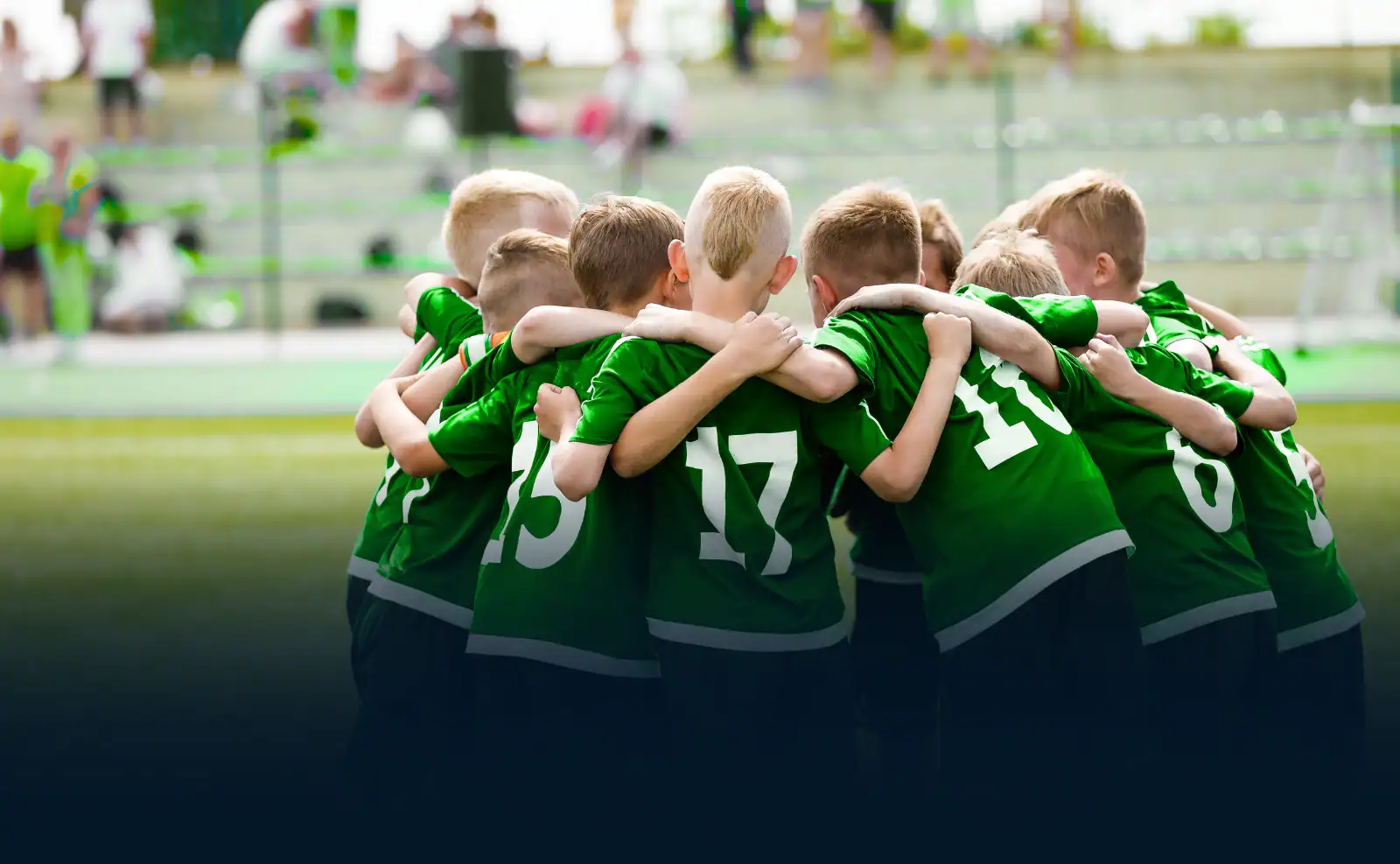
Children begin to understand they are part of a team. They learn to recognize teammates, pass the ball, reposition themselves, and defend together. This is also when they start to grasp simple ideas like “helping the player with the ball” and “getting back to defend.”
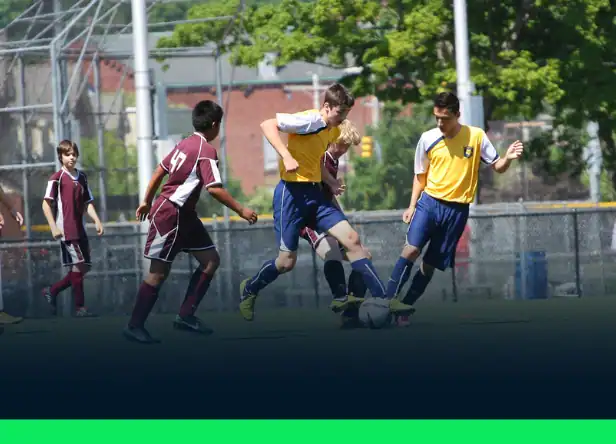
Small-sided games (3v3, 5v5, or 8v8) are ideal for fostering interaction and communication on the field. In these formats, every player is more involved, gets more touches, and faces more game situations, which accelerates learning and keeps the experience fun and inclusive.
Introduce Basic Game Concepts
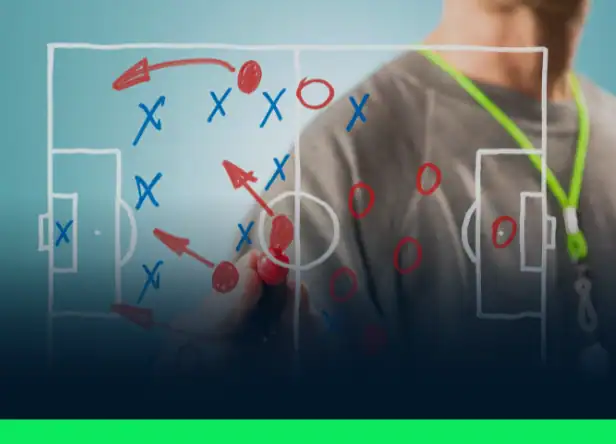
At U8, coaches can gently introduce basic game concepts without overloading players. This might include spreading out instead of bunching around the ball, using the width of the field, or recognizing when to dribble versus when to pass. Any explanation should stay short and simple, with most learning happening through guided play rather than lectures.
The Role of the Coach in U8 Soccer
Coaching U8 players means guiding their progress while preserving the joy of play.
At this age, players listen more, but still need flexibility and simple explanations. The coach must be a guide, facilitator, and educator.
1. Create a Positive and Stimulating Environment
In U8 soccer, everything is built on confidence. The coach should highlight every success, encourage effort, and maintain a relaxed atmosphere. A positive word or short talk is far more effective than criticism—children progress better when they feel capable of succeeding.
Encouragement, small challenges, and varied activities keep the group motivated and attentive. Coaches should praise good ideas (even if the execution is imperfect), reinforce fair play, and avoid focusing on winning or losing. When players feel valued and supported, they are more likely to try new skills and stay engaged.
2. Teach Early Player Habits
This is when good habits form: putting equipment away, listening to instructions, waiting one’s turn, respecting teammates. These simple actions build the discipline and cohesion essential in team sports.
The coach plays a fundamental role in teaching respect and cooperation. By setting clear expectations and modeling the right behavior, the coach helps young players learn how to behave on and off the field, reinforcing values that matter beyond soccer.
How to Organize a U8 Soccer Training Session
A successful U8 session relies on rhythm, variety, and simplicity. Children learn best when activities flow quickly, with little waiting time and many opportunities to interact.
Structure of a Typical U8 Session
A complete session usually includes three main phases:
- Warm-up / Motor activation (5–10 min)
Movement games, relays, or short agility courses to wake up the body. - Technical skill work (20–25 min)
Dribbling, passing, shooting—always in playful, game-based formats. - Free collective play (20–25 min)
Small matches or themed games to apply what has been learned.
This structure keeps children active and engaged throughout the session. The guiding principle remains: play, learn, repeat—with enjoyment at the center.
Adapting to the Level of the Children
Every group is different: some children already move easily, while others are just starting out. The coach should adapt instructions, field sizes, and drill pacing so each child enjoys participating. The goal is not to standardize performance but to support each child’s individual progress.
Coaches can offer easier or more difficult versions of the same exercise—for example, shorter distances or fewer cones for beginners, and tighter spaces or added decisions for more advanced players—so everyone can succeed while still improving.
Our U8 Soccer Drills
To complement this pedagogical approach, we recommend reading our dedicated U8 drills guide, which includes practical activities designed to develop motor skills, technical mastery, and team play.
You’ll find fun, progressive session ideas that are easy to use on the field.
Coaching Tips for Managing a U8 Group
Coaching a U8 team means balancing group management, teaching strategies, and fun. Children need a clear structure but also the freedom to express themselves and build confidence.
The coach should alternate intensity across the session: moments requiring focus on a technical activity, followed by free play phases that allow children to relax and enjoy the game. This up-and-down rhythm helps maintain focus and reduces frustration or fatigue.
Some practical communication tips:
- Show movements instead of explaining too long—demonstrations work better than long speeches
- Use simple, concrete words and short instructions
- Congratulate good ideas and effort, not just successful actions
- Keep breaks brief and purposeful: a quick reminder, a short demo, then back to play
A good U8 coach reinforces the idea of teamwork, helping children learn to support one another and play with—not against—their peers. This early understanding of group dynamics becomes the basis of their future tactical awareness and their ability to read the game.
U8 Soccer: Learning, Sharing, and Having Fun
The U8 category marks a transition between discovery and true learning. Children develop correct movements, understand team spirit, and solidify their love for the game.
The coach’s role is not to create champions, but to create an environment that encourages motivation, progression, and joy. By emphasizing fun, positive experiences, and steady development, coaches help young players build a strong foundation—both as soccer players and as people.
Every session, every ball touched, every smile contributes to shaping the young player. For U8 children, soccer is above all about learning together, enjoying the game, and growing in a positive atmosphere.