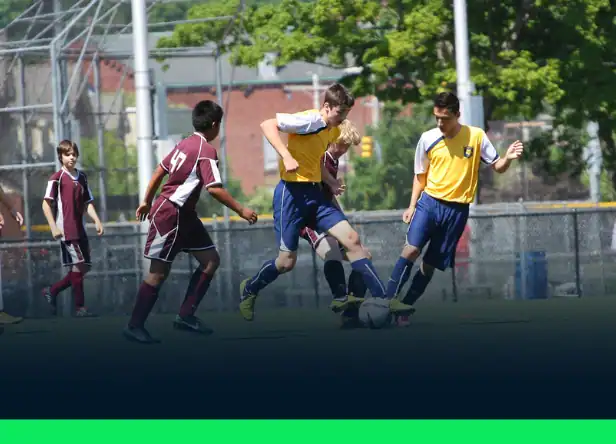
The ability to change pace quickly and maintain high intensity is crucial in soccer. In this article, we’ll take a closer look at the Fartlek training method—what it is, why it’s beneficial, how to structure a session, and its pros and cons.
What is Fartlek Training?
Fartlek, a Swedish term meaning “speed play,” is a dynamic training method that alternates between bursts of high-intensity running and periods of active recovery. Unlike traditional structured interval training, fartlek offers a flexible, intuitive approach that mimics the unpredictable pace changes required in soccer. This training method involves continuous movement where players seamlessly transition between sprinting, jogging, and steady-paced running based on either predetermined markers or how they feel during the session.
The beauty of fartlek lies in its adaptability—players can adjust the intensity and duration of work and recovery periods based on their fitness level, training goals, and the specific demands of their position on the pitch.
The Origins of Fartlek Training
Fartlek was developed in the 1930s by Gösta Holmér, a Swedish athletics coach and former Olympic athlete. Holmér, who won a bronze medal in the decathlon at the 1912 Stockholm Olympics, was searching for an innovative training method to help Swedish cross-country runners compete against the dominant Finnish athletes of that era.
Initially designed for middle and long-distance runners, Holmér’s concept focused on developing both speed and endurance simultaneously by combining faster-than-race-pace segments with active recovery periods. The method proved highly successful, and its principles have since been adopted across numerous sports, including soccer, basketball, tennis, and swimming.
Holmér’s innovative approach represented a departure from the rigid training methods of his time, introducing a more natural, play-based system that better replicated the variable demands of competitive sport.
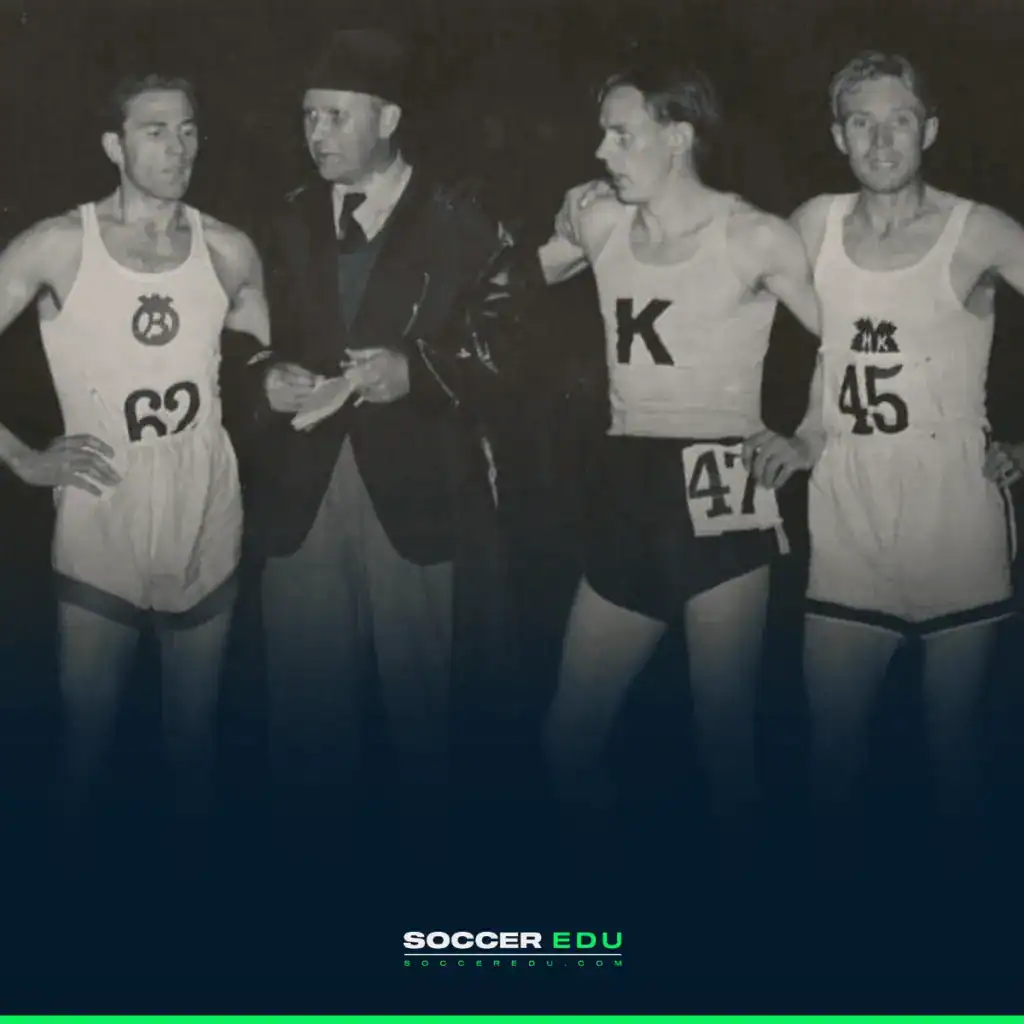
Gösta Holmér, a former runner and bronze medalist in the decathlon at the 1912 Stockholm Summer Olympics, later became the coach of the Swedish national team.
Why Fartlek Training is Essential for Soccer
Soccer demands constant changes of pace, from explosive sprints to reach loose balls to sustained periods of moderate-intensity running throughout a 90-minute match. Players typically cover 10-12 kilometers during a game while performing various high-intensity actions including sprints, rapid directional changes, jumps, and tackles.
Key Benefits for Soccer Players
1. Enhanced Match-Specific Fitness
Fartlek training perfectly mimics the intermittent nature of soccer, where players must repeatedly switch between different intensities. This stop-start pattern trains the body’s energy systems to efficiently transition between aerobic and anaerobic demands.
2. Improved Lactate Tolerance
The varying intensities in fartlek sessions help players develop better lactate buffering capacity, allowing them to maintain performance levels when blood lactate accumulates during intense match situations. This enhanced lactate tolerance enables players to sustain high-intensity efforts for longer periods without experiencing significant fatigue.
3. Explosive Speed Development
The high-intensity bursts within fartlek sessions specifically target the development of explosive speed and acceleration—crucial attributes for beating opponents to the ball and creating scoring opportunities. These rapid accelerations train the neuromuscular system to produce maximum power output when needed most.
4. Mental Resilience
The unpredictable nature of fartlek training builds mental toughness and adaptability, preparing players for the psychological demands of competitive soccer where they must constantly react to changing game situations.
Later in this article, you’ll find specific Fartlek session examples for every level.
How to Structure a Fartlek Training Session?
Essential Components

Comprehensive Warm-Up
Begin every fartlek session with a thorough 10-15 minute warm-up consisting of light jogging, dynamic stretching, and mobility exercises. This preparation phase is crucial for injury prevention and optimal performance during the high-intensity phases.
Variable Intensity Segments
The core of fartlek training involves alternating between different running intensities based on visible landmarks, time intervals, or perceived effort. Players might sprint between cones, jog to specific markers, or run at threshold pace for predetermined durations.
Active Recovery Periods
Unlike traditional interval training that uses complete rest, fartlek employs active recovery through slow jogging or brisk walking. This continuous movement maintains elevated heart rate while allowing partial recovery between high-intensity efforts.
Structured Cool-Down
Conclude sessions with 5-10 minutes of gradually decreasing intensity running followed by static stretching. This cool-down period helps normalize heart rate and prevents post-exercise stiffness.
Sample soccer-Specific Fartlek Session
| Phase | Duration/Distance | Intensity |
|---|---|---|
| Warm-up | 10–15 minutes | Light jogging with dynamic movements |
| Sprint | 30 meters to cone | Maximum effort |
| Recovery | 60 meters | Easy jog |
| Threshold Run | 2 minutes | 85-90% maximum heart rate |
| Active Recovery | 5–10 minutes | Comfortable jog |
| Repeat Cycle | 25-30 minutes | Variable based on fitness level |
| Cool down | 10 minutes | Gradual decrease to walking |
Fartlek Training Progressions by Ability Level
Beginner Players
Start with shorter, less intense sessions focusing on establishing the movement patterns and energy system adaptations. Beginners should emphasize longer recovery periods between high-intensity efforts to allow complete energy system restoration.
Sample Beginner Protocol:
- Warm-up: 10 minutes steady jogging
- Work intervals: 1 minute at moderate intensity
- Recovery: 2 minutes easy jogging or walking
- Repetitions: 8-10 cycles
- Total session time: 30-35 minutes
Intermediate Players
Intermediate athletes can handle increased training loads with longer high-intensity segments and shorter recovery periods. This progression challenges both aerobic and anaerobic energy systems more comprehensively.
Sample Intermediate Protocol:
- Warm-up: 12 minutes with dynamic movements
- Work intervals: 2 minutes at threshold intensity
- Recovery: 90 seconds active jogging
- Repetitions: 10-12 cycles
- Total session time: 40-45 minutes
Advanced Players
Elite and semi-professional players require highly demanding sessions that closely replicate match intensities. Advanced protocols incorporate varied terrain, multiple intensity zones, and sport-specific movement patterns.
Sample Advanced Protocol:
- Warm-up: 15 minutes progressive intensity
- High-intensity phase: 3 minutes at 90-95% maximum heart rate
- Moderate phase: 2 minutes at 80-85% maximum heart rate
- Recovery phase: 1 minute at 60-70% maximum heart rate
- Repetitions: 8-10 cyclesTotal session time: 50-60 minutes
Individual vs. Group Fartlek Training
Solo Training Benefits
Individual fartlek sessions allow players complete control over pacing, recovery periods, and session structure. This autonomy enables athletes to focus on personal weaknesses, listen to their body’s feedback, and adjust intensity based on daily readiness levels.
Players training alone can also concentrate on specific technical elements, such as maintaining proper running form during fatigue or practicing position-specific movements during recovery phases.
Group Training Advantages
Team-based fartlek sessions create competitive environments that naturally elevate training intensity. The presence of teammates provides motivation, encouragement, and friendly competition that can push players beyond their individual comfort zones.
Follow-the-Leader Format
Many successful teams employ rotating leadership during group fartlek sessions. Different players take turns setting the pace and choosing intensity levels, creating unpredictability while developing leadership qualities and tactical awareness. Group sessions also foster team bonding and collective mental resilience—crucial elements for on-pitch success during challenging match situations.
Fartlek vs. Traditional Interval Training
Key Distinctions
Structural Flexibility
Traditional interval training follows rigid work-to-rest ratios with predetermined distances and times. Fartlek training offers greater flexibility, allowing athletes to adjust intensity and duration based on feel, terrain, or external cues like landmarks.
Recovery Protocols
Interval training typically employs passive rest or complete stoppage between efforts. Fartlek maintains continuous movement through active recovery, better simulating the demands of soccer where players rarely stop completely during matches.
Training Adaptability
Fartlek sessions can be modified mid-workout based on fatigue levels, weather conditions, or training objectives. This adaptability makes it particularly valuable for soccer players who must constantly adjust to changing match circumstances.
Physiological Comparisons
Both methods effectively improve aerobic capacity, anaerobic power, and lactate threshold. However, fartlek’s continuous nature provides superior training for the cardiovascular system’s ability to rapidly switch between energy demands—a critical requirement in modern soccer.
Research indicates that fartlek training produces significant improvements in VO2max and anaerobic capacity comparable to traditional interval methods while offering enhanced enjoyment and reduced training monotony.
Common Training Mistakes and Solutions
Critical Errors to Avoid
Inadequate Warm-Up Preparation
Skipping or rushing through warm-up phases significantly increases injury risk during high-intensity fartlek efforts. soccer players must ensure comprehensive preparation including dynamic stretching, activation exercises, and progressive intensity increases
Ignoring Fatigue Signals
Pushing through excessive fatigue or ignoring warning signs of overtraining can lead to injury or performance regression. Smart athletes learn to distinguish between productive discomfort and potentially harmful stress.
Excessive Training Monotony
Using identical fartlek formats repeatedly reduces training effectiveness and player engagement. Varying terrain, intensity patterns, and session structures maintains both physiological adaptation and psychological freshness.
Progressive Loading
Implement fartlek training gradually, starting with shorter sessions and building volume and intensity over several weeks. This progressive approach allows proper physiological adaptation while minimizing injury risk.
Environmental Variation
Incorporate different training surfaces including grass fields, hill routes, and varied terrain to challenge players in multiple ways. This variety better prepares athletes for the diverse playing conditions they may encounter during matches.
Recovery Monitoring
Track player responses to fartlek sessions through heart rate monitoring, perceived exertion scales, and subjective wellness questionnaires. This data helps optimize training loads and prevent overreaching.
Despite its benefits, fartlek also comes with a few drawbacks to keep in mind:
- Hard to quantify progress.
- Risk of overdoing sprints → injuries.
- Lack of structure may frustrate athletes who prefer strict plans.
This means fartlek works best when used as a complement to more structured training programs.
Integrating Fartlek into Soccer Training Programs

Seasonal Periodization
Pre-Season Implementation
During pre-season preparation, fartlek training serves as an excellent bridge between basic fitness development and match-specific conditioning. The method’s versatility allows coaches to progressively increase demands while maintaining player engagement during intensive preparation periods.
In-Season Maintenance
Throughout the competitive season, shorter fartlek sessions help maintain fitness levels while providing active recovery from match demands. These maintenance sessions should be carefully timed to avoid interference with match preparation and recovery protocols.
Off-Season Foundation
During off-season periods, fartlek training provides an enjoyable alternative to monotonous steady-state running while maintaining cardiovascular fitness. The reduced structure makes it ideal for players seeking variety during less formal training periods.
3 Key Benefits of Fartlek
- Explosiveness
Soccer requires frequent explosive sprints to reach the ball or beat an opponent. Fartlek, with its variable speed segments, helps players develop this explosiveness. - Endurance
Maintaining a high level of effort throughout the entire match is crucial. Players can improve their endurance thanks to fartlek’s active recovery phases. - Reactivity
Fartlek trains players to react and adapt quickly to unexpected changes, reflecting the real demands of a soccer game.
Example of a Fartlek Training Session for Soccer
| Running Segment | Duration/Distance |
|---|---|
| Warm-up | 10–15 minutes |
| Full-speed sprint | To the next cone (20–30m) |
| Recovery jog | 40–50m |
| Repeat | 20–25 minutes |
| Cool-down | 5–10 minutes |
Position-Specific Adaptations
Different playing positions can benefit from tailored fartlek protocols that address their unique match demands. Central defenders might focus on longer threshold efforts with shorter sprint intervals, while wingers and attacking players may emphasize repeated short sprints with quick recovery periods.
Goalkeepers can adapt fartlek principles to include explosive movements, rapid directional changes, and position-specific actions during recovery phases. This adaptation maintains the training method’s core benefits while addressing the unique demands of goalkeeping.
Adding fartlek to a training routine can be done in different ways depending on an athlete’s level and goals.
Maximizing Fartlek Training Benefits
Technical Integration
Advanced fartlek sessions can incorporate soccer-specific skills during recovery phases, such as ball juggling, passing drills, or tactical movements. This integration maximizes training time efficiency while maintaining technical proficiency during fatigue states.
Nutritional Considerations
Proper fueling before and after fartlek sessions optimizes performance and recovery. Players should consume appropriate carbohydrate sources 2-3 hours pre-training and prioritize protein intake within 30 minutes post-session to support adaptation and recovery processes.
Technology Enhancement
Modern heart rate monitors, GPS devices, and training apps can enhance fartlek session monitoring and progression tracking. These technologies provide objective feedback on training intensity, distance covered, and physiological responses, enabling more precise program adjustments.
The method’s enduring popularity among elite athletes and coaches worldwide testifies to its effectiveness in preparing players for the dynamic, unpredictable demands of modern soccer. Whether used as a primary conditioning tool or supplementary training method, fartlek offers a scientifically-sound yet inherently enjoyable approach to developing the complete soccer athlete.
Fartlek training remains one of the most effective and enjoyable conditioning methods for soccer players at all levels. Its unique combination of physiological benefits, psychological engagement, and tactical relevance makes it an invaluable tool for developing match-ready fitness. By understanding proper implementation principles and avoiding common pitfalls, players and coaches can harness fartlek’s full potential to enhance on-pitch performance and long-term athletic development.
Sample Fartlek Sessions by Level
| Level | Warm-Up | Main Session | Recovery |
|---|---|---|---|
| Beginner | 10 min jog | 1 min fast, 2 min slow (repeat 10–15 min) | 10 min walk |
| Intermediate | 10 min jog | 2 min fast, 1 min slow (repeat 20–30 min) | 10 min slow jog |
| Advanced (standard) | 15 min jog | 3 min fast, 2 min steady, 1 min slow (40 min total) | 15 min walk |
| Advanced (hill work) | 15 min jog | 3 min fast uphill, 3 min recovery downhill, 5 min steady flat (40 min) | 10 min slow jog |
| Advanced (mixed terrain) | 10 min jog | 2 min sprint on track, 3 min jog on trail, 4 min fast run on road, 2 min walk on grass (30 min) | 10 min light jog |
Fartlek in a Nutshell: Conclusion
Fartlek is a powerful and versatile training method that fits a wide range of sports, including soccer, and all fitness levels. By adding fartlek sessions to your routine, you can improve endurance, speed, and recovery capacity—all while keeping workouts fun and varied.